How Much Does Water Damage Restoration Cost in Washington DC?
There is no single price for water damage restoration. Here is what actually drives the cost in Washington DC — and what a professional estimate should include.
Read guide →The first hour after discovering water damage matters more than any other. Here is exactly what to do — and what to avoid — before professional help arrives.
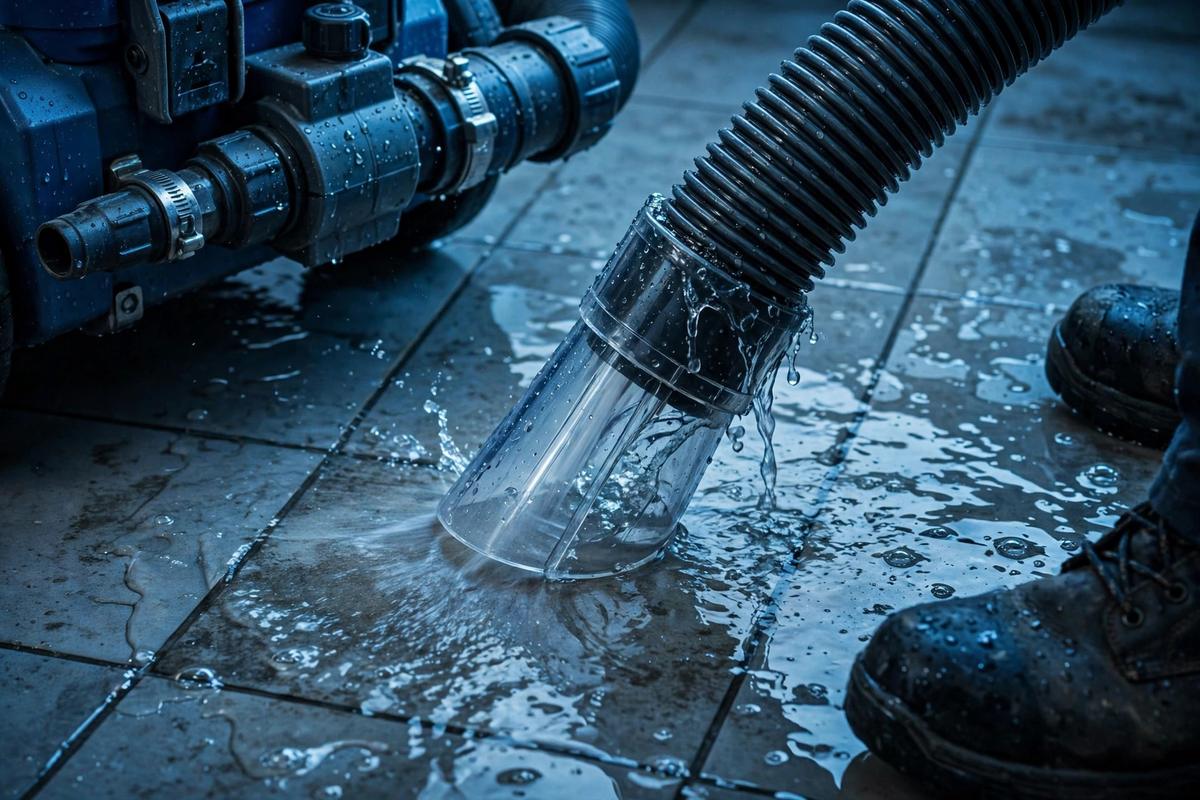
Discovering water damage in your Washington DC home is stressful, but what you do in the first hour can make the difference between a straightforward cleanup and a major, expensive repair. Water spreads fast — it wicks up drywall, soaks into subfloors, and seeps behind baseboards within minutes. Mold can begin growing on damp surfaces within 24 to 48 hours. The goal of the first 60 minutes is not to fix the problem yourself; it is to stay safe, limit the spread, protect what you can, and get professional help on the way.
Before you do anything else, assess whether it is safe to enter the affected area. If water is near electrical outlets, appliances, or your breaker panel, do not wade in — electricity and standing water are a deadly combination. If you can reach your breaker box safely and without walking through water, shut off power to the affected rooms. If there is any doubt, stay out and wait for help.
Also consider the source. Water from a burst supply pipe is very different from water backing up through a floor drain. If the water looks or smells like sewage, treat it as contaminated and keep everyone — including pets — away from it. Sewage carries bacteria and pathogens that pose real health risks. Do not attempt to clean it up yourself; contaminated water requires specialized handling and protective equipment.
If the water is coming from a burst pipe or leaking appliance, shut off the main water valve to your home. In most DC rowhouses and condos, the main shutoff is near where the water line enters the building, often in the basement or utility closet. Turn it clockwise to close it. If you rent, call your landlord or building manager right away — they may need to shut off a building-level valve.
If the water is coming from outside — heavy rain, flooding, or a storm — you cannot stop the source, and you should not go outside into dangerous conditions to try. In that case, focus on moving valuables and documenting the damage, and wait for the weather to pass before attempting anything more.
Once it is safe, move furniture, electronics, rugs, and valuables out of the wet area or up onto higher ground. Water ruins wood furniture legs, wicks into upholstery, and destroys electronics — but only where it reaches them, so elevation is your friend. Place furniture on blocks if you cannot move it fully.
Remove small items from the floor: shoes, books, papers, pet supplies. Pull rugs back from the edges of the wet area. If you have important documents or photographs in harm's way, move them to a dry room immediately — paper is nearly impossible to restore once it is saturated.
Before you move too much around, take photos and videos of the damage. Capture the water source if it is visible, the extent of standing water, wet walls and ceilings, and any damaged belongings. Open drawers and closets to photograph what is inside if they are affected. This documentation is essential for any insurance claim and helps the restoration provider plan the work.
Write down what happened and when: when you discovered the water, what you think the source is, and what steps you have taken. Keep this note with your photos. The more complete your record, the smoother the claims process tends to be.
Time is the enemy with water damage. Every hour that water sits, it soaks deeper into materials and raises the risk of mold growth and structural damage. Call (202) 449-5074 and we will connect you with a local Washington DC water damage provider that can respond fast — many offer emergency service around the clock. A professional team brings commercial extraction equipment, moisture meters, and industrial dehumidifiers that do a job household fans simply cannot match.
While you wait, you can open windows for ventilation if the weather allows, and you can remove small amounts of clean water with towels or a mop. But leave the heavy work — extraction, drying, and sanitizing — to the professionals.
Good intentions can make things worse. Avoid these common mistakes:
Water damage does not wait, and neither should you. If you have discovered water in your home, call (202) 449-5074 now and we will connect you with a local Washington DC provider that can assess the damage and start the drying process. The faster professionals are on site, the more of your home — and your belongings — they can save.
Need help right now? Call (202) 449-5074 — open 24/7. Water Damage DC will connect you with a local provider in Washington, DC.
Quick answers related to this guide.
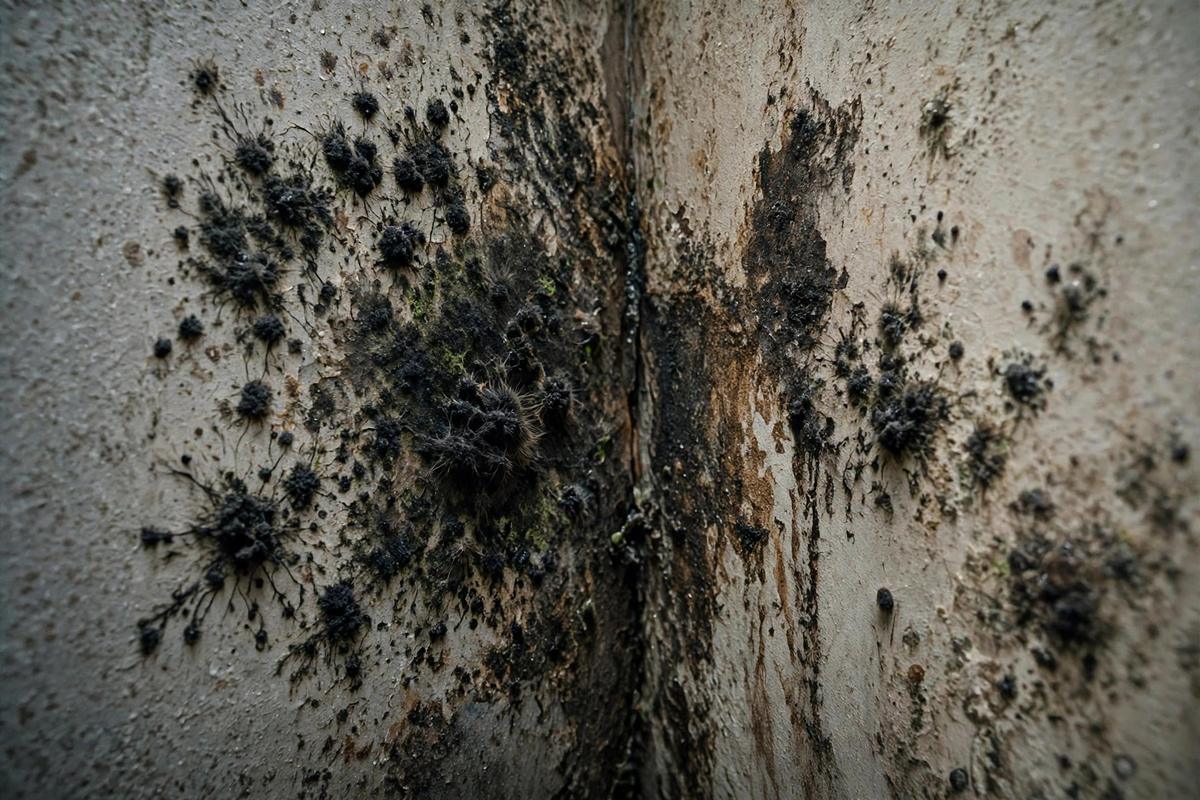
When water damages your property, emergency water damage restoration brings every phase of recovery under one coordinated process. Call now and we'll connect you with a nearby provider.
Learn More →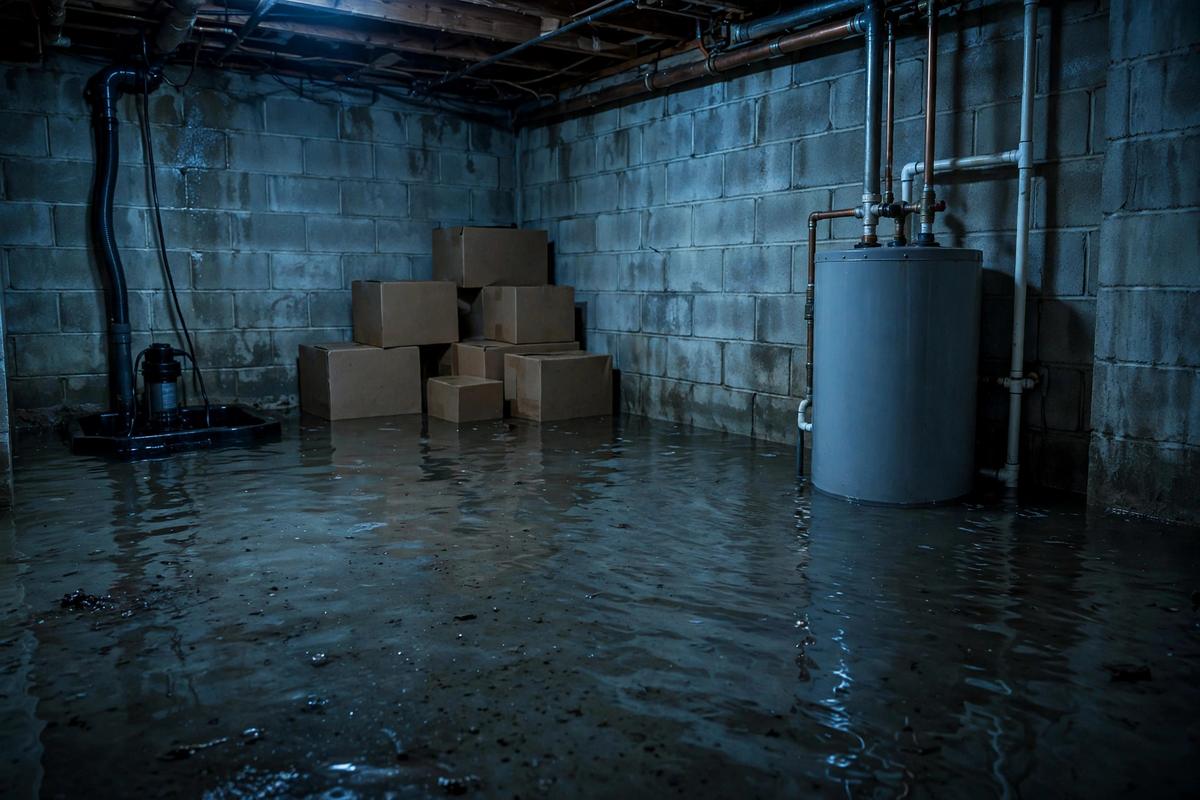
Water Damage Cleanup covers the full job — from initial assessment and water removal through drying, cleanup, and repairs. Call now and we'll connect you with a nearby provider.
Learn More →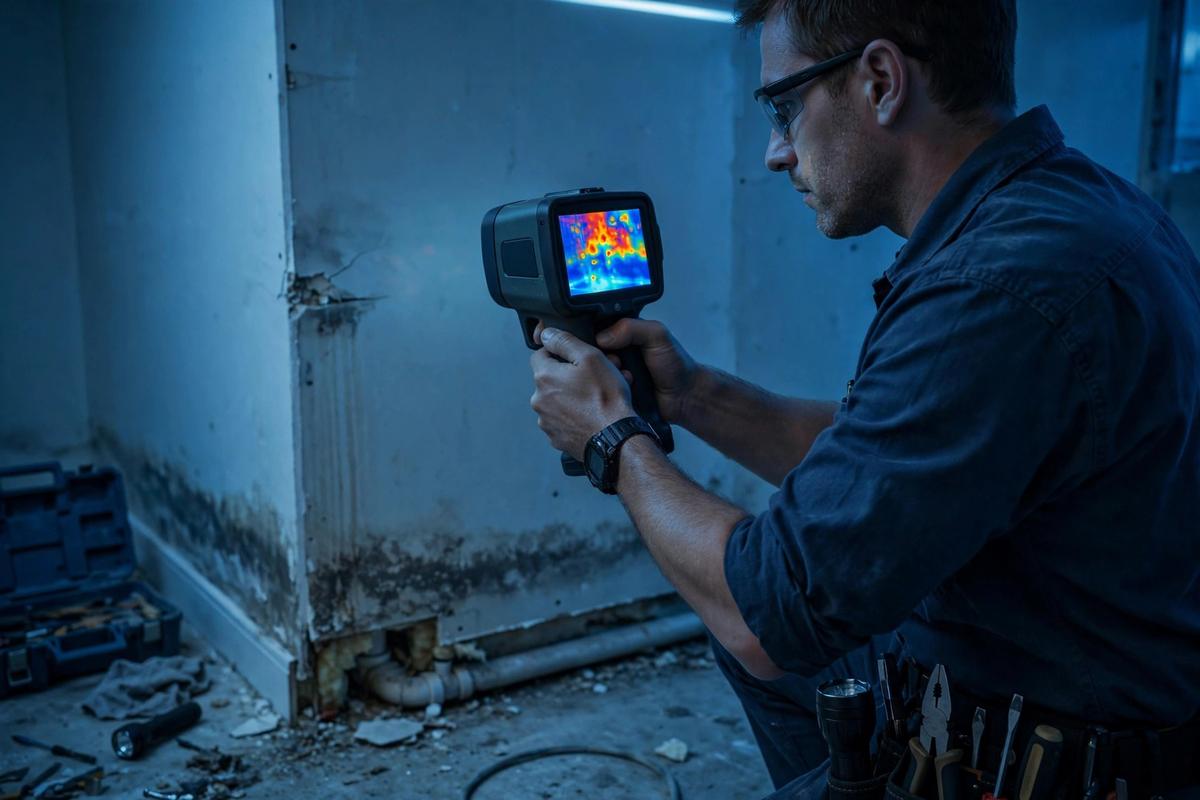
Standing water keeps damaging everything it touches — emergency water extraction removes it fast with high-capacity pumps. We connect you with local providers in the Washington DC area.
Learn More →
Water Damage Insurance Claim Assistance helps you navigate the claims process with proper documentation and estimates. We connect you with local providers in the Washington DC area.
Learn More →
There is no single price for water damage restoration. Here is what actually drives the cost in Washington DC — and what a professional estimate should include.
Read guide →
DC cold snaps can freeze and burst pipes overnight. Learn how to prevent frozen pipes and the exact emergency steps to take when one bursts.
Read guide →
Slab leaks hide beneath your foundation, quietly causing damage. These seven warning signs can help you catch one before it becomes a disaster.
Read guide → Water Damage DC
Call Water Damage DC now and we'll connect you with a local provider in Washington, DC — no pressure, no obligation. Lines are open 24/7.
 Scan to call now