Roof Leak vs Plumbing Leak: How to Tell the Difference
A water stain on your ceiling could mean a failing roof or a leaking pipe. Here's how to tell the difference before you call for help.
Read guide →Slab leaks hide beneath your foundation, quietly causing damage. These seven warning signs can help you catch one before it becomes a disaster.
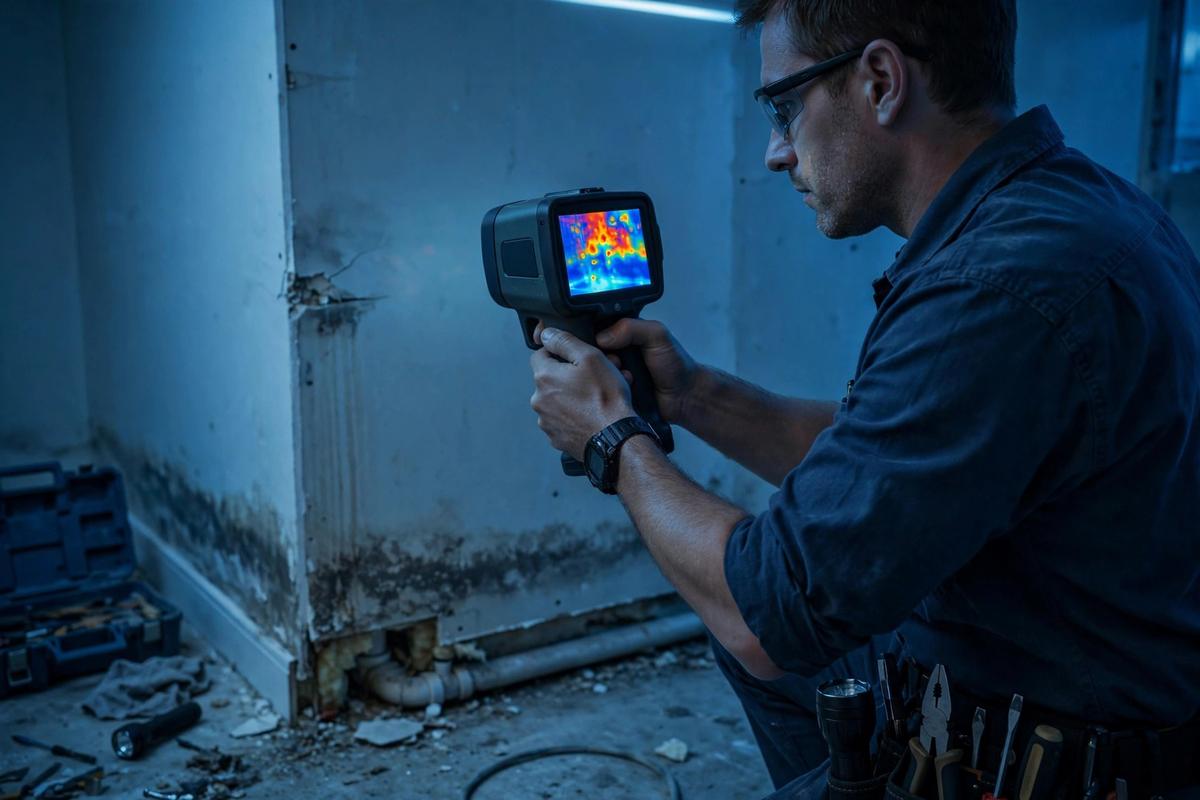
A slab leak is a water leak in the pipes running beneath your home's concrete foundation. Because the leak is hidden underground, it can go unnoticed for weeks or months — quietly eroding soil, cracking the foundation, and damaging flooring. Catching one early can mean the difference between a targeted repair and major structural work.
If you notice any of the following signs in your home, a slab leak may be the cause. One sign alone can have other explanations — but two or more together warrant professional detection.
Finding a leak under concrete takes specialized equipment — you can't diagnose it by guesswork. Professional detection methods include:
Accurate detection matters because the repair — whether it's a direct spot repair, pipe rerouting, or a full repipe — depends on knowing exactly where the leak is. Digging without a confirmed location risks unnecessary damage and cost.
The right repair depends on the leak's location, the pipe material, and the age of the plumbing. Common approaches include a direct spot repair — breaking through the slab at the leak location to fix or replace the damaged section — rerouting the line through walls or ceilings so it no longer runs under the foundation, or a full repipe for older systems with widespread corrosion. Rerouting and repiping cost more upfront but avoid breaking concrete and reduce the chance of a second leak appearing nearby. A professional who has pinpointed the leak with detection equipment can explain which option makes sense for your home.
A slab leak never fixes itself. Ongoing erosion under the foundation can lead to serious settling and structural damage, while persistent moisture invites mold growth inside the home. Water bills keep climbing month after month, and what starts as a single leaking fitting can corrode neighboring pipes too. The earlier the leak is detected, the smaller and less expensive the repair tends to be.
If several of these warning signs sound familiar, don't wait for the damage to escalate. In the Washington DC area, older plumbing running under slab foundations is a common culprit. Call (202) 449-5074 to be connected with a local provider who can perform professional slab leak detection and advise on the right next steps.
Need help right now? Call (202) 449-5074 — open 24/7. Water Damage DC will connect you with a local provider in Washington, DC.
Quick answers related to this guide.
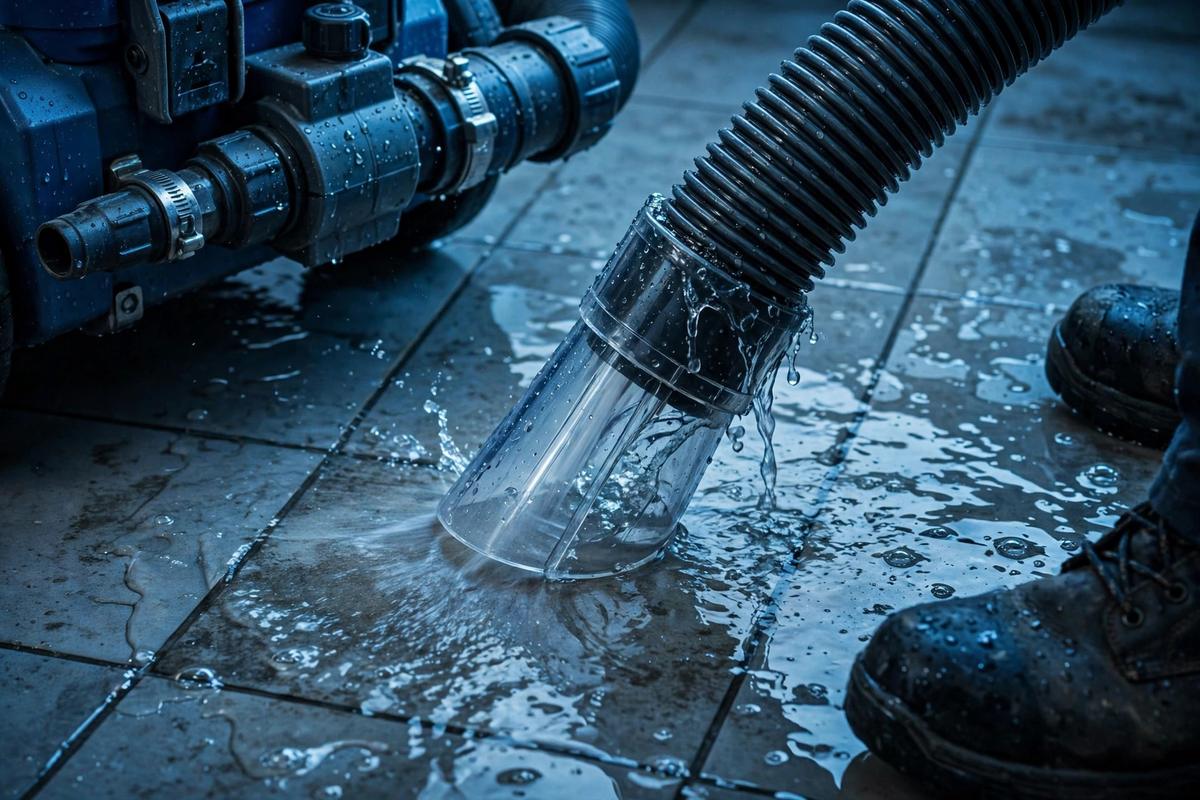
Slab Leak Detection finds hidden leaks without tearing your home apart, using thermal imaging, acoustic sensors, and moisture meters. We connect you with local providers in the Washington DC area.
Learn More →
Burst Pipe Water Damage fixes the source — burst pipes, failed fittings, and appliance leaks — then addresses the water damage left behind. We connect you with local providers in the Washington DC area.
Learn More →
Standing water keeps damaging everything it touches — emergency water extraction removes it fast with high-capacity pumps. We connect you with local providers in the Washington DC area.
Learn More →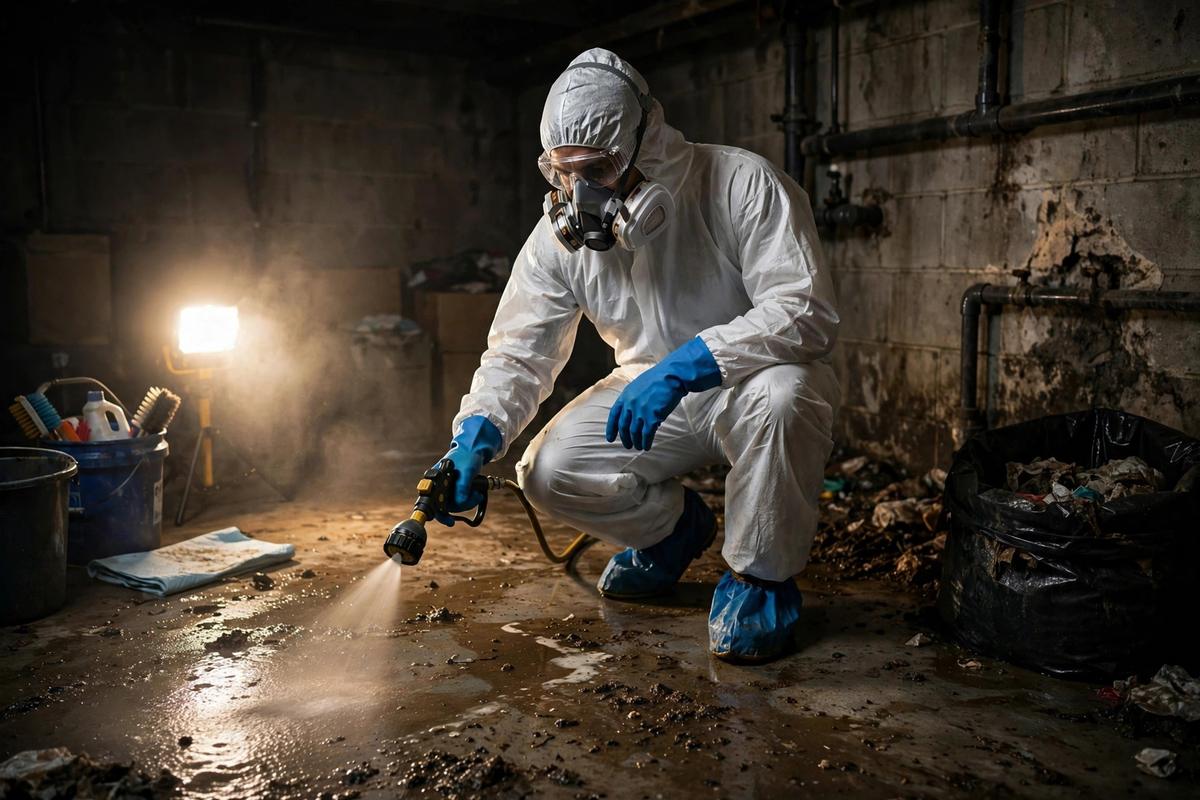
Water Damage Restoration covers the full job — from initial assessment and water removal through drying, cleanup, and repairs. We connect you with local providers in the Washington DC area.
Learn More →
A water stain on your ceiling could mean a failing roof or a leaking pipe. Here's how to tell the difference before you call for help.
Read guide →
Small clean-water stains can sometimes be patched, but saturated or contaminated drywall must go. Learn the rules for deciding repair versus replacement.
Read guide →
The first hour after discovering water damage matters more than any other. Here is exactly what to do — and what to avoid — before professional help arrives.
Read guide → Water Damage DC
Call Water Damage DC now and we'll connect you with a local provider in Washington, DC — no pressure, no obligation. Lines are open 24/7.
 Scan to call now