How to Choose a Water Damage Company in Washington DC
The company you call after water damage matters. Here's how to choose a water damage provider in Washington DC — questions to ask and red flags to avoid.
Read guide →A water stain on your ceiling could mean a failing roof or a leaking pipe. Here's how to tell the difference before you call for help.
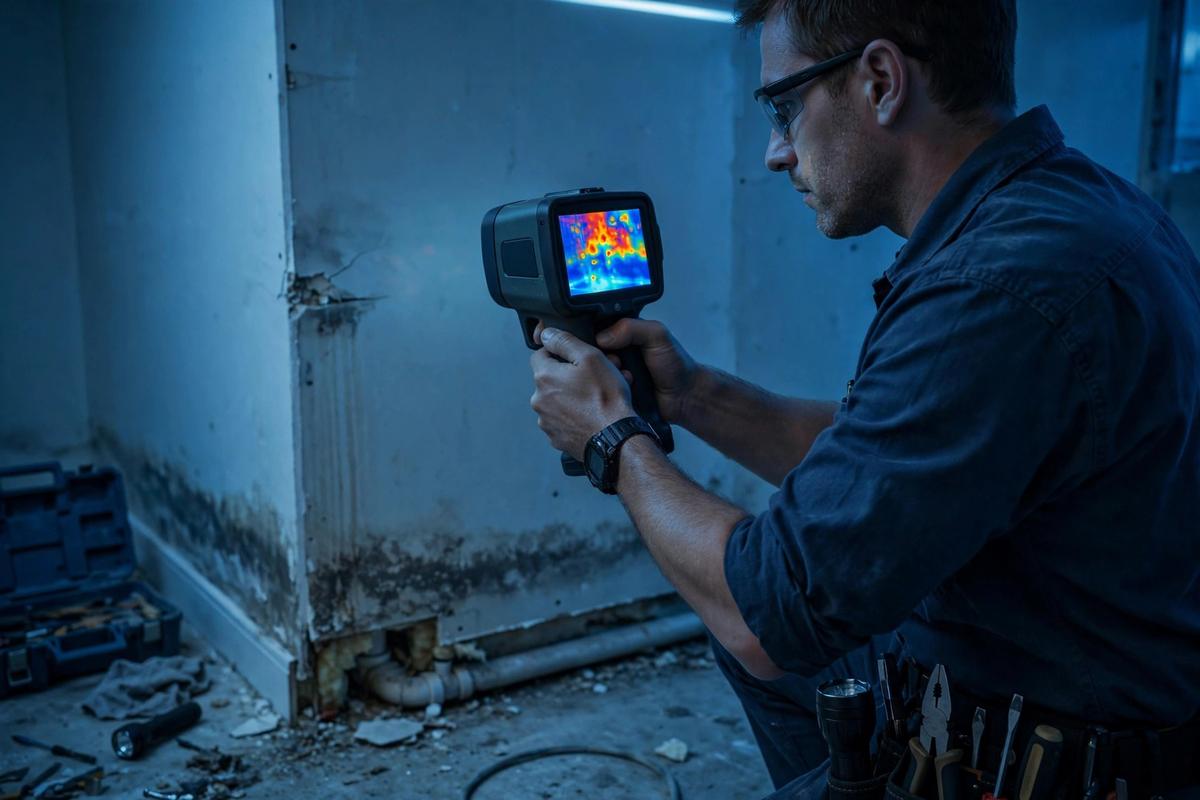
A brown stain spreading across your ceiling or water dripping down a wall looks similar no matter the cause — but a roof leak and a plumbing leak are very different problems with very different fixes. Identifying the source correctly saves you from paying for the wrong repair and helps you describe the problem accurately when you call for help.
The simplest and most reliable clue is timing. A roof leak almost always shows up during or shortly after rain — and in Washington DC, with its heavy summer storms and winter freeze-thaw cycles, roof leaks often appear suddenly after a big weather event. A plumbing leak, on the other hand, has no relationship to the weather. If water appears on a dry, sunny day — or if the dripping is constant regardless of rain — the problem is almost certainly in your plumbing.
Where the damage appears tells its own story:
If you can safely access your attic, it often settles the question. Bring a flashlight and look for:
Only enter the attic if it's safe to do so — watch your footing on the joists and be cautious of insulation, wiring, and extreme heat.
Suspect the roof when the leak follows rain, the stains are on the top floor, or you can see damaged shingles, lifted flashing, or clogged gutters from outside. DC's older housing stock — including many rowhouses with flat or low-slope roofs — is especially prone to leaks around aging flashing and parapet walls.
Suspect plumbing when water appears without rain, the stain sits below a bathroom or kitchen, you hear dripping inside walls, or your water meter runs when nothing is in use. Supply-line leaks demand fast action because a pressurized line can release a large volume of water in a short time.
Sometimes the clues are mixed — for instance, a stain on the top floor directly below a bathroom, where both a roof leak and a plumbing leak are plausible. In that case, try these tiebreakers. First, check your water meter: turn off every faucet and appliance, note the reading, wait an hour without using any water, and check again. If the meter moved, you have a plumbing leak. Second, during the next rain, check the attic while it's actively raining — water entering from the roof is often visible in real time. Third, feel the stain: plumbing leaks often stay consistently damp and may smell musty, while roof-leak stains may feel dry between storms. When in doubt, start with a professional moisture inspection — drying can't wait for a perfect diagnosis.
Whether the water came through the roof or out of a pipe, the drying process is the same — and the clock is ticking. Mold can begin growing within 24 to 48 hours. If you have water intrusion in your Washington DC home, call (202) 449-5074 to be connected with a local provider who can assess the damage, start professional drying, and help you figure out what comes next.
Need help right now? Call (202) 449-5074 — open 24/7. Water Damage DC will connect you with a local provider in Washington, DC.
Quick answers related to this guide.
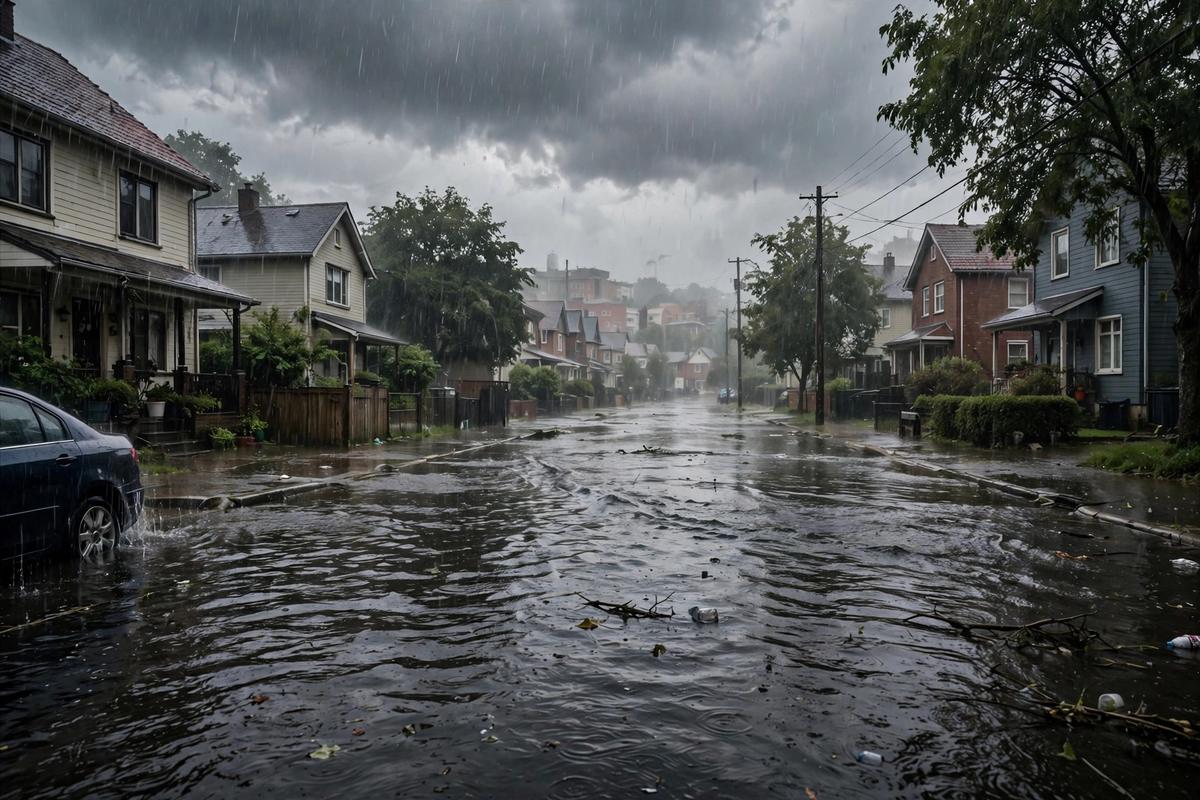
Roof Leak Water Damage Restoration stops water coming in from above and outside — roofs, windows, siding, and exterior walls. We connect you with local providers in the Washington DC area.
Learn More →
Burst Pipe Water Damage fixes the source — burst pipes, failed fittings, and appliance leaks — then addresses the water damage left behind. We connect you with local providers in the Washington DC area.
Learn More →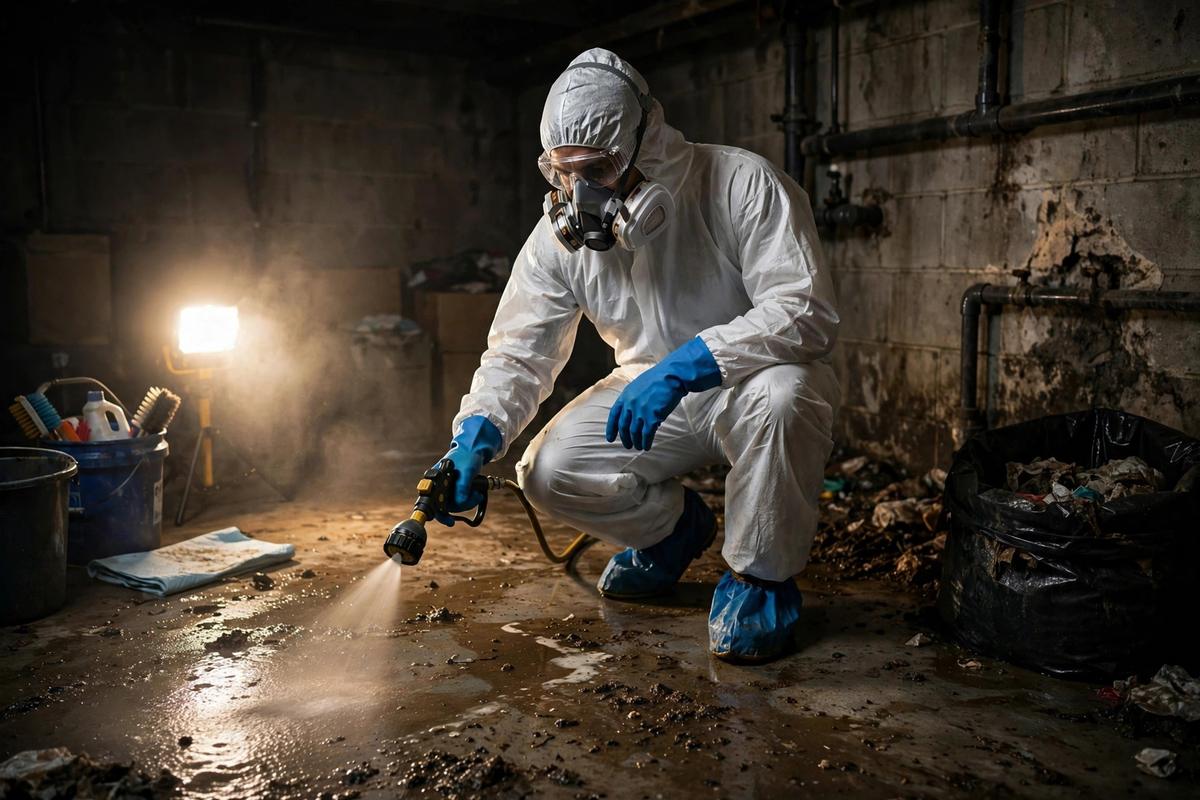
Water Damage Restoration covers the full job — from initial assessment and water removal through drying, cleanup, and repairs. We connect you with local providers in the Washington DC area.
Learn More →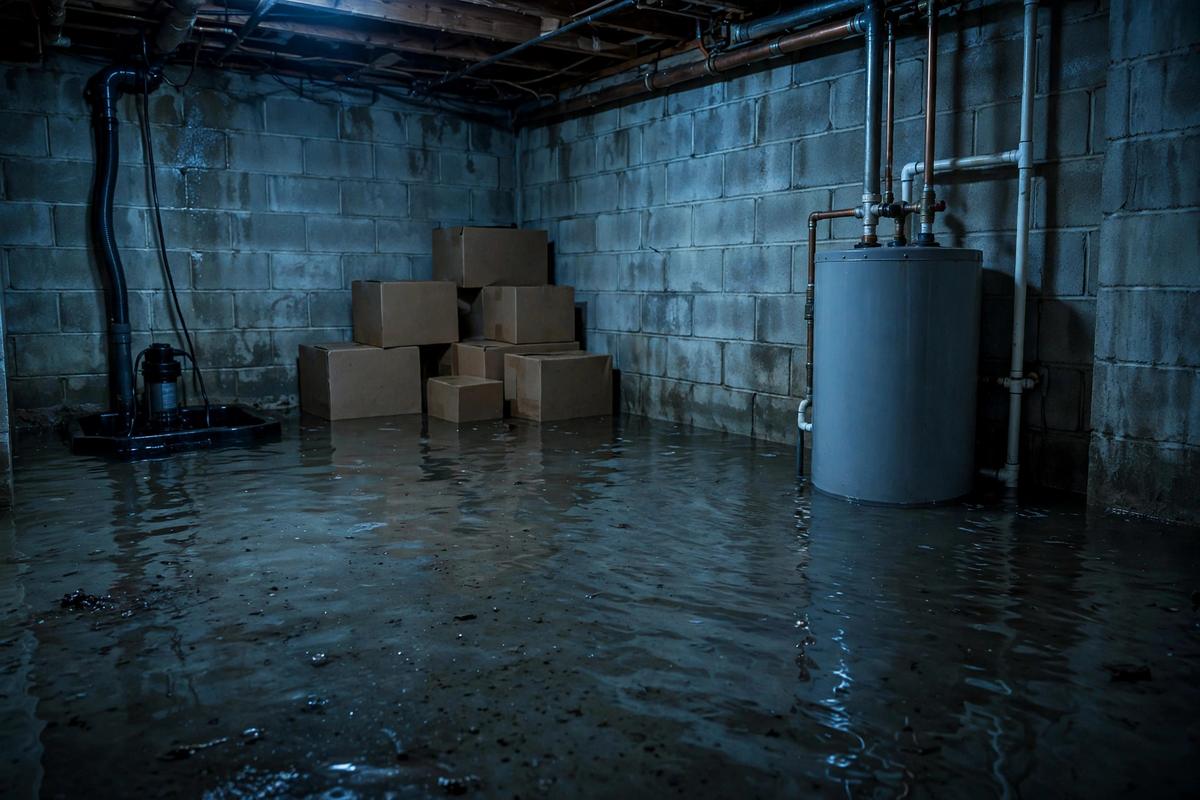
Water Damage Cleanup covers the full job — from initial assessment and water removal through drying, cleanup, and repairs. Call now and we'll connect you with a nearby provider.
Learn More →
The company you call after water damage matters. Here's how to choose a water damage provider in Washington DC — questions to ask and red flags to avoid.
Read guide →
When water damage hits a rental, the first question is who is responsible. This guide explains the typical tenant-landlord split in Washington DC, what to do right away, and how to document everything.
Read guide →
There is no single price for water damage restoration. Here is what actually drives the cost in Washington DC — and what a professional estimate should include.
Read guide → Water Damage DC
Call Water Damage DC now and we'll connect you with a local provider in Washington, DC — no pressure, no obligation. Lines are open 24/7.
 Scan to call now