Sump Pump Failure: Backup Options That Actually Work
Sump pumps fail during storms and outages — exactly when basements need them most. Compare battery, water-powered, and dual-pump backups, plus a maintenance schedule.
Read guide →DC cold snaps can freeze and burst pipes overnight. Learn how to prevent frozen pipes and the exact emergency steps to take when one bursts.
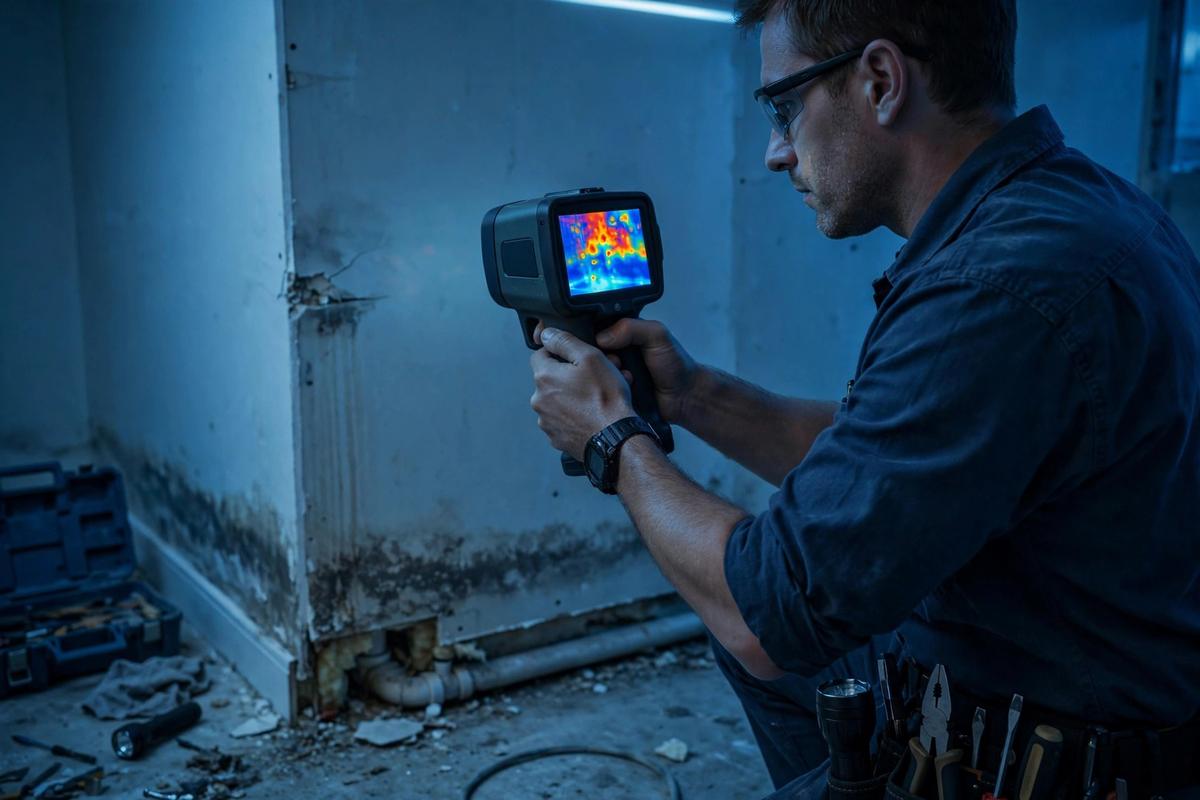
Washington DC winters are mild compared to the Midwest, but that mildness is exactly the problem: DC homes are not always built or maintained for deep cold, and a single polar-vortex night in the teens can freeze pipes fast. Pipes most at risk run through exterior walls, crawl spaces, attics, garages, and unheated basements — plus any pipe near drafty spots. Older DC rowhouses with aging insulation are especially vulnerable. When water freezes, it expands, and that pressure can split a pipe or force a joint apart, releasing water the moment it thaws.
Most burst pipes are preventable with basic winter preparation. Work through this checklist before the first hard freeze:
If a pipe bursts, you are racing standing water. Act in this order:
A burst pipe announces itself with gushing water, but many freeze-related failures show up as slow leaks after the thaw. In the days following a hard freeze, check under sinks, around the water heater, behind toilets, and in the basement or crawl space for drips, damp spots, or new water stains. A pinhole crack from a partial freeze can drip for days before it is noticed — and that slow leak does as much damage over time as a dramatic burst.
A burst pipe is a plumbing emergency and a water damage emergency at the same time. A plumber repairs the pipe; a water damage restoration provider handles extraction, structural drying, and mold prevention in the affected areas. If water has soaked drywall, insulation, or flooring, professional drying equipment makes a measurable difference — household fans and dehumidifiers are rarely enough for saturated building materials.
For DC homeowners dealing with winter pipe failures, time matters: materials that stay wet past 48 hours enter mold territory. Calling early keeps a plumbing repair from becoming a full restoration project.
Many DC burst-pipe disasters happen while homeowners are traveling for the holidays. If you will be away during freezing weather, shut off the main water valve and drain the pipes by opening the lowest faucet in the house. Ask a neighbor or friend to check the house every day or two — a small leak caught on day one is a cleanup, while one discovered after a week is a restoration project. Smart water-leak sensors placed under sinks, near the water heater, and in the basement can send alerts to your phone and are an inexpensive layer of protection for frequent travelers.
Need help now? Call (202) 449-5074 to be connected with a local water damage provider in the Washington DC area. The call is free, and providers are ready to discuss your situation and dispatch a team when you need one.
Need help right now? Call (202) 449-5074 — open 24/7. Water Damage DC will connect you with a local provider in Washington, DC.
Quick answers related to this guide.

Burst Pipe Water Damage fixes the source — burst pipes, failed fittings, and appliance leaks — then addresses the water damage left behind. We connect you with local providers in the Washington DC area.
Learn More →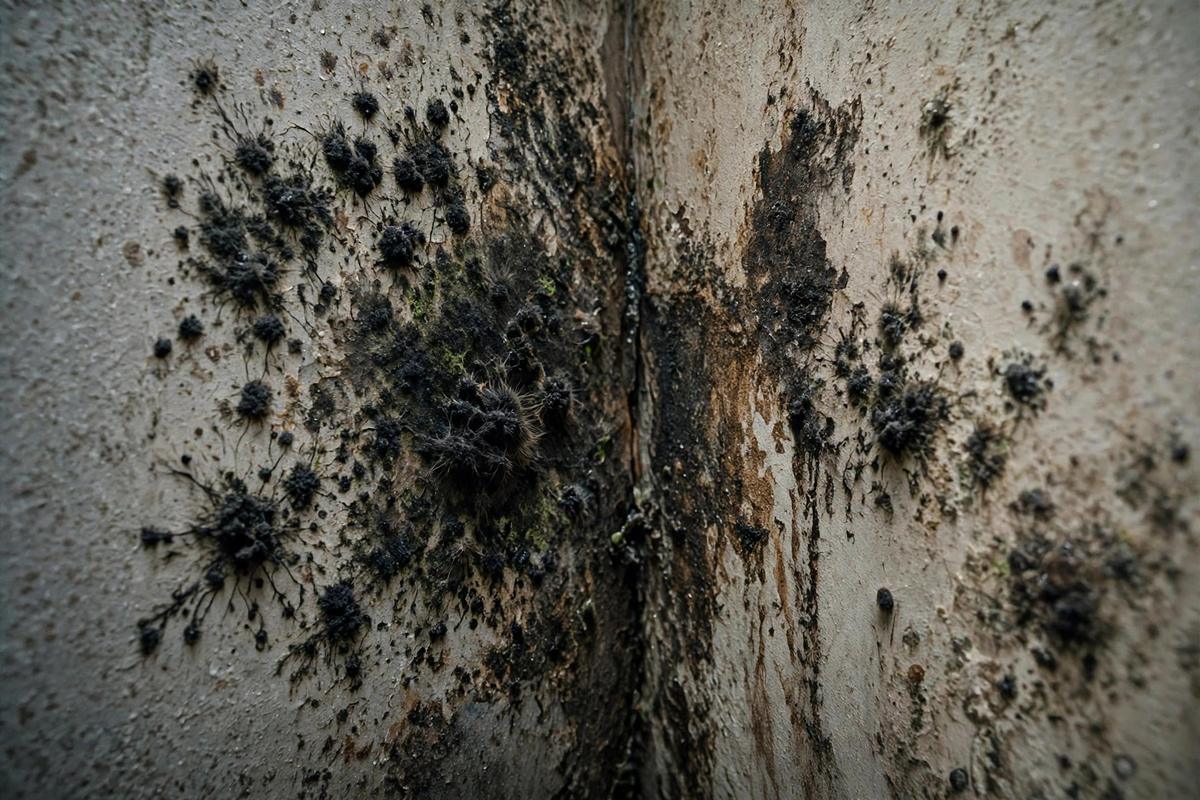
When water damages your property, emergency water damage restoration brings every phase of recovery under one coordinated process. Call now and we'll connect you with a nearby provider.
Learn More →
Standing water keeps damaging everything it touches — emergency water extraction removes it fast with high-capacity pumps. We connect you with local providers in the Washington DC area.
Learn More →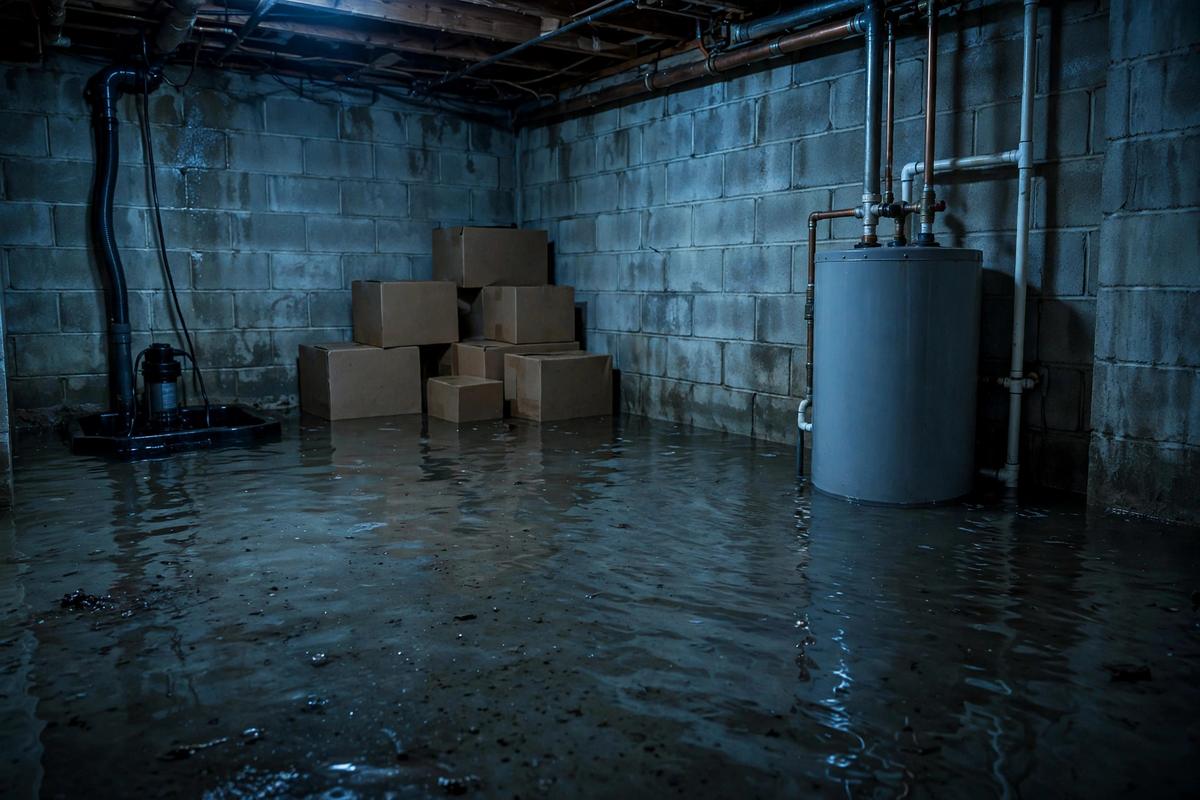
Structural Drying Services removes the hidden moisture trapped in walls, floors, and framing that fans alone can't reach. We connect you with local providers in the Washington DC area.
Learn More →
Sump pumps fail during storms and outages — exactly when basements need them most. Compare battery, water-powered, and dual-pump backups, plus a maintenance schedule.
Read guide →
A water stain on your ceiling could mean a failing roof or a leaking pipe. Here's how to tell the difference before you call for help.
Read guide →
Small clean-water stains can sometimes be patched, but saturated or contaminated drywall must go. Learn the rules for deciding repair versus replacement.
Read guide → Water Damage DC
Call Water Damage DC now and we'll connect you with a local provider in Washington, DC — no pressure, no obligation. Lines are open 24/7.
 Scan to call now