Sewage Backup Cleanup: Why DIY Is Dangerous in Washington DC Homes
Sewage is Category 3 black water — a genuine biohazard. Learn why DIY cleanup puts your health at risk and what professional containment and disinfection involve.
Read guide →Sump pumps fail during storms and outages — exactly when basements need them most. Compare battery, water-powered, and dual-pump backups, plus a maintenance schedule.
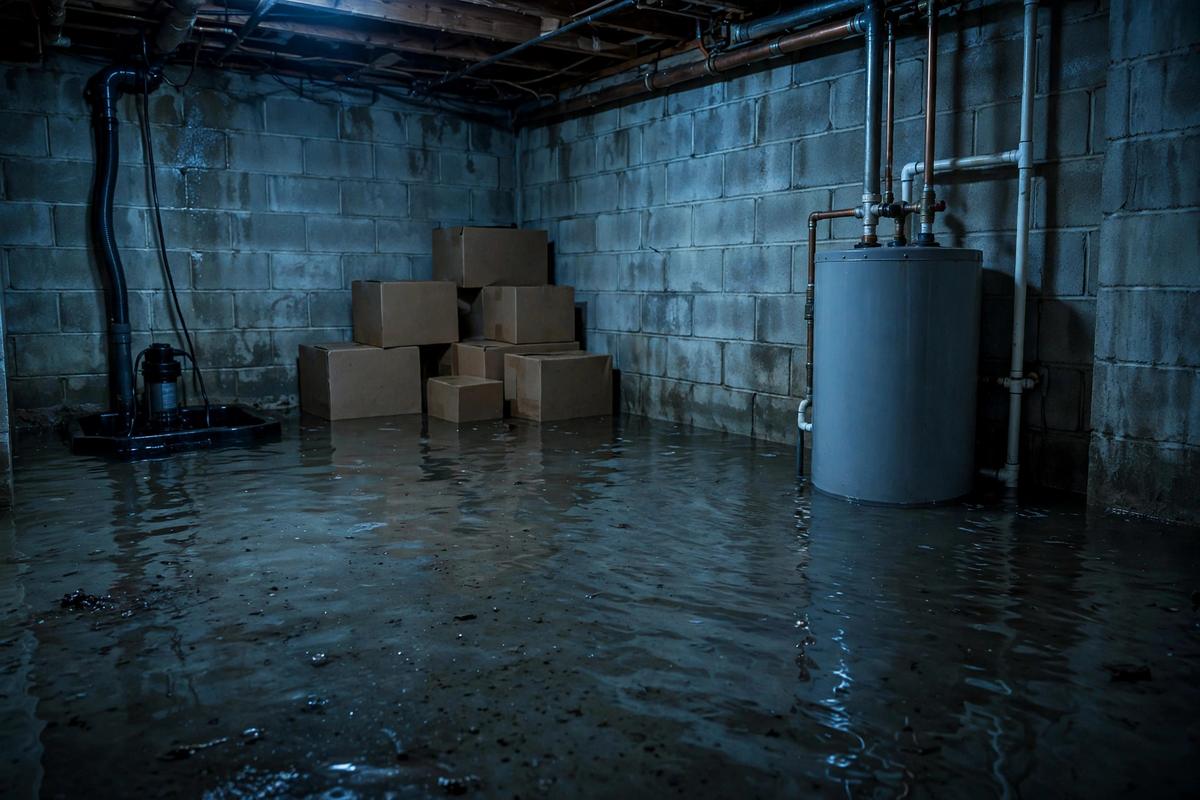
A sump pump's job is simple: move groundwater out of your basement pit before it rises into your home. But pumps fail most often during exactly the events that create the most water — severe storms, power outages, and switch or float failures. In Washington DC, where intense summer downpours and the occasional hurricane remnant can dump inches of rain in hours, a failed sump pump can turn into a flooded basement fast. The fix is not hoping your primary pump holds — it is having a backup system that takes over automatically.
A battery backup sump pump is a second pump that runs on a deep-cycle battery when the power goes out or the primary pump fails. This is the most popular backup option for good reason:
The weak point is the battery itself: it must stay charged, and batteries need replacement every few years. A dead backup battery is no backup at all, so test the system regularly and replace batteries on schedule.
A water-powered backup pump uses municipal water pressure to pump water out of the pit — no electricity or battery required. These are appealing because there is no battery to maintain, but there are trade-offs: they use a meaningful amount of municipal water to move sump water (a ratio of roughly 2:1 is common), they require adequate municipal water pressure, and they are not an option for homes on well water. They are a solid set-and-forget secondary layer for city-water homes in DC.
A dual-pump setup puts two full pumps in the pit: a primary and a secondary set slightly higher. Under normal conditions the primary handles the load; if inflow overwhelms it or the primary fails, the secondary kicks in. Many homeowners pair this with a battery backup on the secondary pump, creating layered protection: two pumps plus outage power. If your basement has flooded before or your pit sees heavy inflow during storms, this is the configuration most professionals recommend discussing.
A high-water alarm is a cheap sensor that sounds when water in the pit rises above a set level. It does not pump anything — but it tells you there is a problem while you still have time to act, instead of discovering a flooded basement the next morning. Place the alarm sensor above your pump's normal activation point and test it twice a year. Smart versions can send alerts to your phone, which matters if you travel.
A sump pump you never test is a decoration. Follow this schedule:
If your pump failed and the basement took on water, the priorities are: restore power or pumping to stop more water, remove standing water quickly, and dry everything thoroughly. Basements that stay damp past 48 hours invite mold, and saturated drywall, carpet, and insulation often need professional handling. A local water damage provider can extract the water, set up proper structural drying, and check for moisture you cannot see.
Need help now? Call (202) 449-5074 to be connected with a local water damage provider in the Washington DC area. The call is free, and providers are ready to discuss your situation and dispatch a team when you need one.
Need help right now? Call (202) 449-5074 — open 24/7. Water Damage DC will connect you with a local provider in Washington, DC.
Quick answers related to this guide.
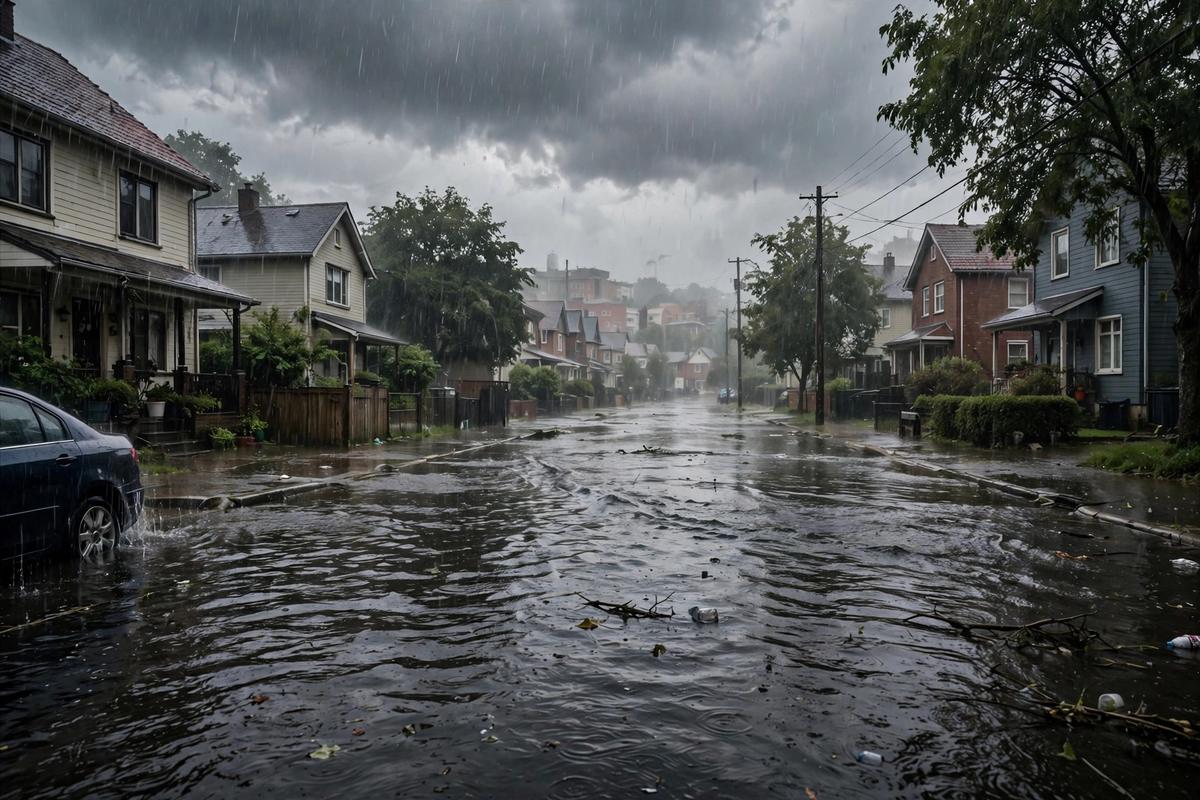
Sump pumps do the heavy lifting during storms, and sump pump installation makes sure yours is ready. Call now and we'll connect you with a nearby provider.
Learn More →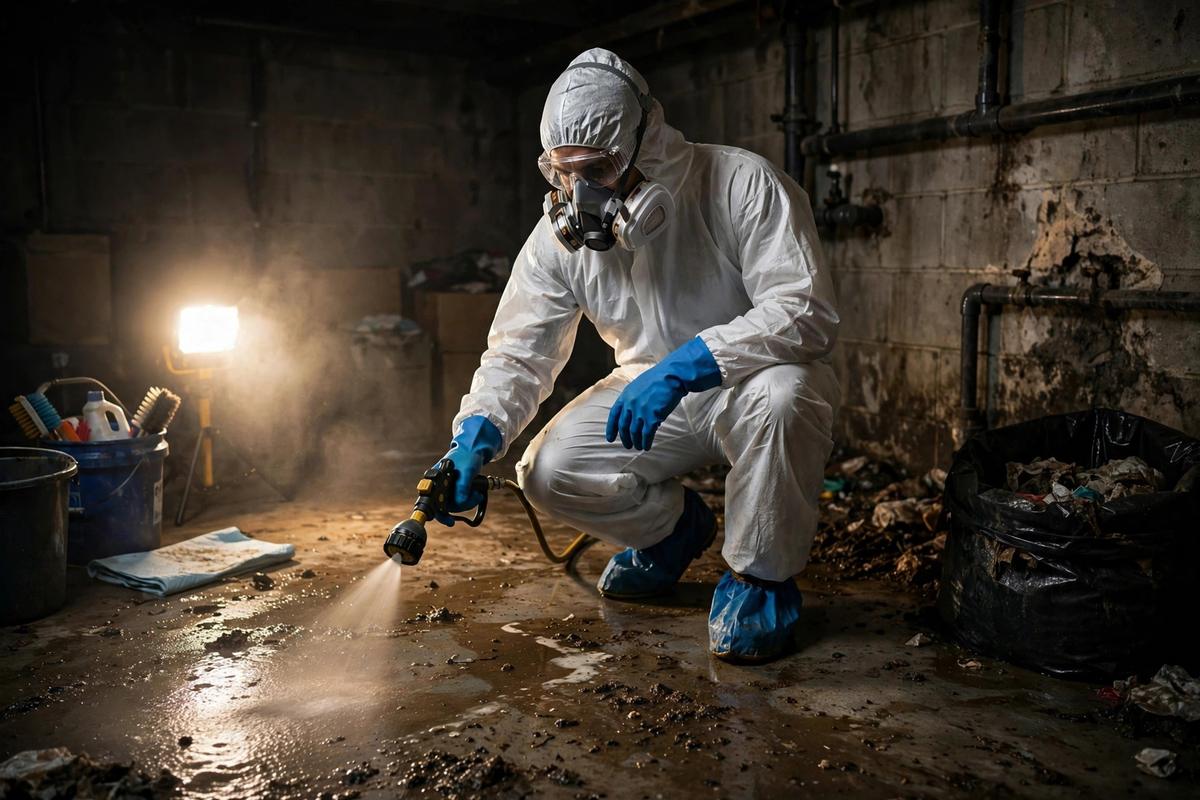
Basements flood first and dry last — flooded basement cleanup is built for the unique challenges of below-grade spaces. We connect you with local providers in the Washington DC area.
Learn More →
Basement Waterproofing stops water before it gets in, protecting your foundation and basement from seepage and leaks. We connect you with local providers in the Washington DC area.
Learn More →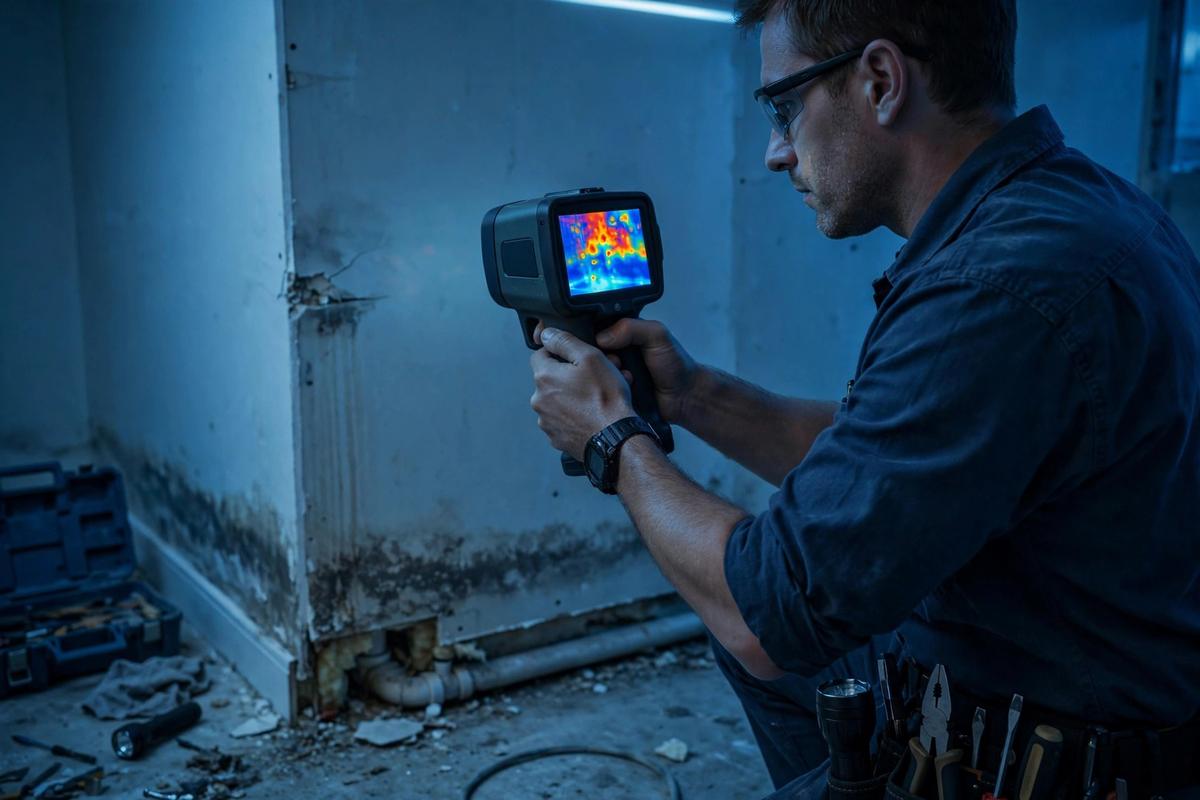
Standing water keeps damaging everything it touches — emergency water extraction removes it fast with high-capacity pumps. We connect you with local providers in the Washington DC area.
Learn More →
Sewage is Category 3 black water — a genuine biohazard. Learn why DIY cleanup puts your health at risk and what professional containment and disinfection involve.
Read guide →
The company you call after water damage matters. Here's how to choose a water damage provider in Washington DC — questions to ask and red flags to avoid.
Read guide →
When water damage hits a rental, the first question is who is responsible. This guide explains the typical tenant-landlord split in Washington DC, what to do right away, and how to document everything.
Read guide → Water Damage DC
Call Water Damage DC now and we'll connect you with a local provider in Washington, DC — no pressure, no obligation. Lines are open 24/7.
 Scan to call now