What Happens During a Professional Water Damage Inspection
A professional water damage inspection maps hidden moisture with meters and thermal imaging, then produces a written scope of work. Here is what to expect.
Read guide →Ice dams form when heat escapes through the roof, melting snow that refreezes at the eaves. Learn prevention and what to do when meltwater gets inside.
An ice dam is a ridge of ice that forms at the edge of a roof when heat escaping from the attic melts rooftop snow, which then refreezes at the colder eaves. The dam blocks further meltwater from draining, forcing water to back up under the shingles and leak into the attic, walls, and ceilings. Washington DC's freeze-thaw winter cycles make ice dams a recurring risk.
Icicles hanging from gutters are the visible warning sign. They indicate melting and refreezing is happening at your eaves. But the real damage happens silently under the shingles.
The root cause of most ice dams is heat leaking into the attic. Insulating the attic floor to recommended levels keeps heat in the living space and the roof deck uniformly cold, so snow melts evenly or not at all. Seal air leaks around recessed lights, attic hatches, and plumbing penetrations first. Insulation over air leaks is far less effective.
Ridge vents, soffit vents, and gable vents work together to keep attic temperatures close to outside temperatures, carrying away any heat that does escape. Blocked soffit vents, a common issue when insulation is added carelessly, defeat the system. Ventilation and insulation work as a pair.
Clogged gutters trap meltwater and accelerate ice buildup at the eaves. Clean gutters and downspouts thoroughly in late fall so water can drain freely during winter thaws.
After heavy snowfall, a roof rake can pull snow off the lower several feet of the roof from the ground, eliminating the fuel for ice dam formation. Never climb onto an icy roof yourself. Falls are the biggest winter home-maintenance injury risk.
Self-regulating heat cables along the eaves and in gutters can keep drainage paths open on roofs prone to damming. They treat the symptom rather than the cause, so use them alongside insulation improvements, not instead of them.
If you see water stains on ceilings, dripping from light fixtures, or wet walls during a thaw, act quickly:
Water that entered through an ice dam often soaks insulation and wall cavities where you cannot see it. Hidden moisture leads to mold within days, so professional drying matters even when the visible leak looks small.
Many homeowners policies cover sudden water damage from ice dams, though coverage varies. Photograph all damage before cleanup, keep receipts for emergency measures, and report the claim promptly. Damage from long-term neglect or wear is typically excluded, which is another reason prevention pays.
If meltwater has already gotten into your attic or walls, fast professional drying can save your insulation, drywall, and framing. Call (202) 449-5074 and we will connect you with a local water damage provider in the Washington DC area who can extract the water, dry the structure, and help prevent mold growth.
Need help right now? Call (202) 449-5074 — open 24/7. Water Damage DC will connect you with a local provider in Washington, DC.
Quick answers related to this guide.
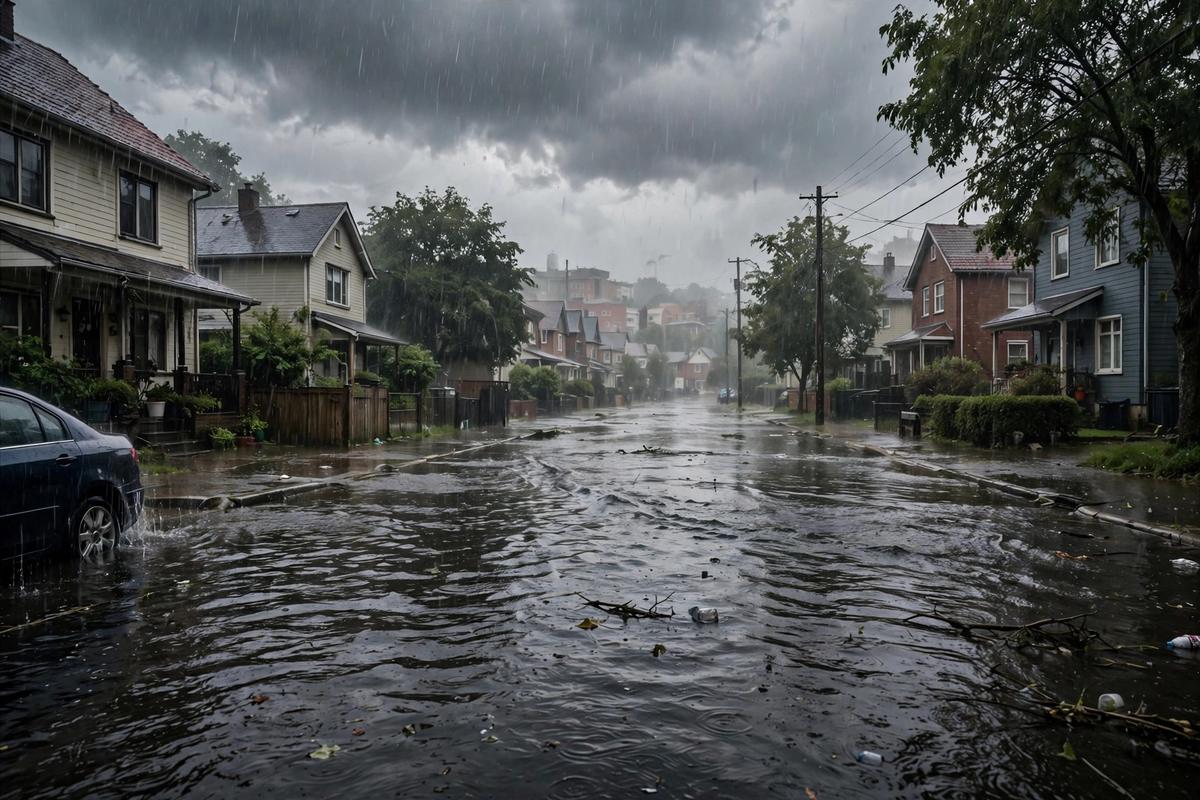
Roof Leak Water Damage Restoration stops water coming in from above and outside — roofs, windows, siding, and exterior walls. We connect you with local providers in the Washington DC area.
Learn More →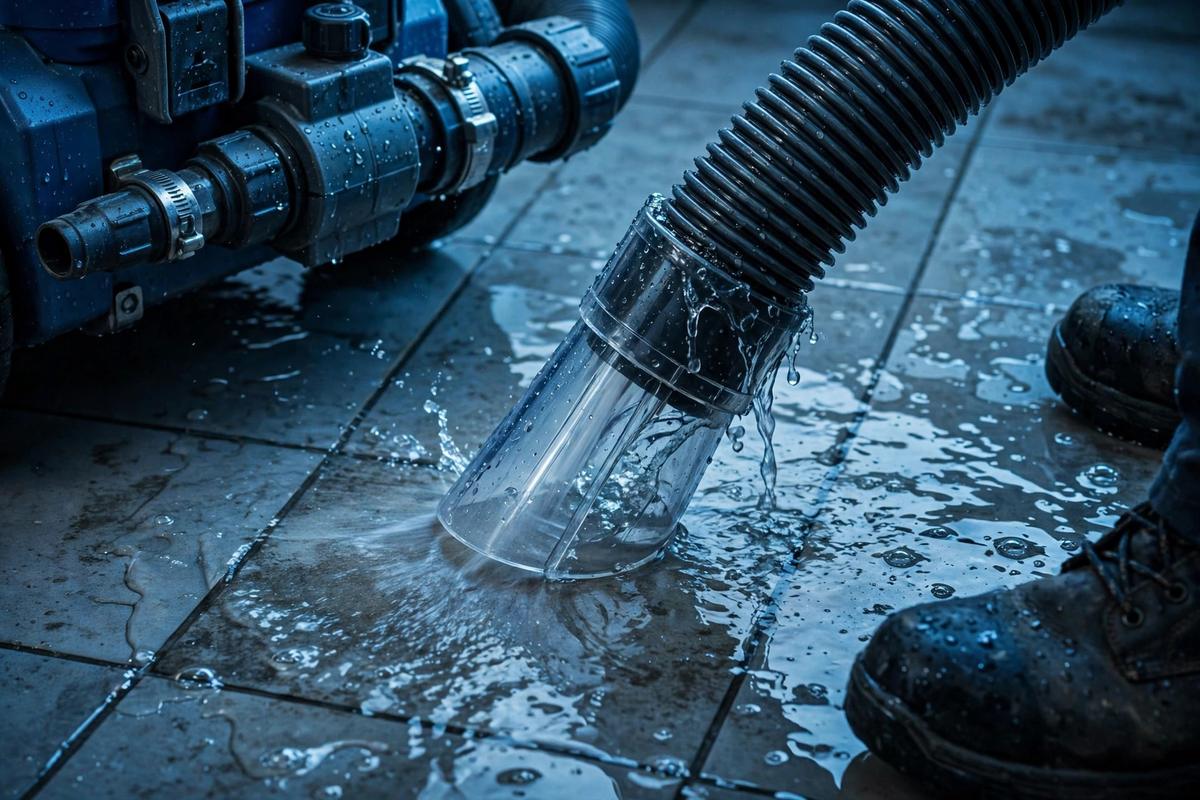
Storm Damage Restoration helps you recover after storms, fires, and other disasters damage your property. We connect you with local providers in the Washington DC area.
Learn More →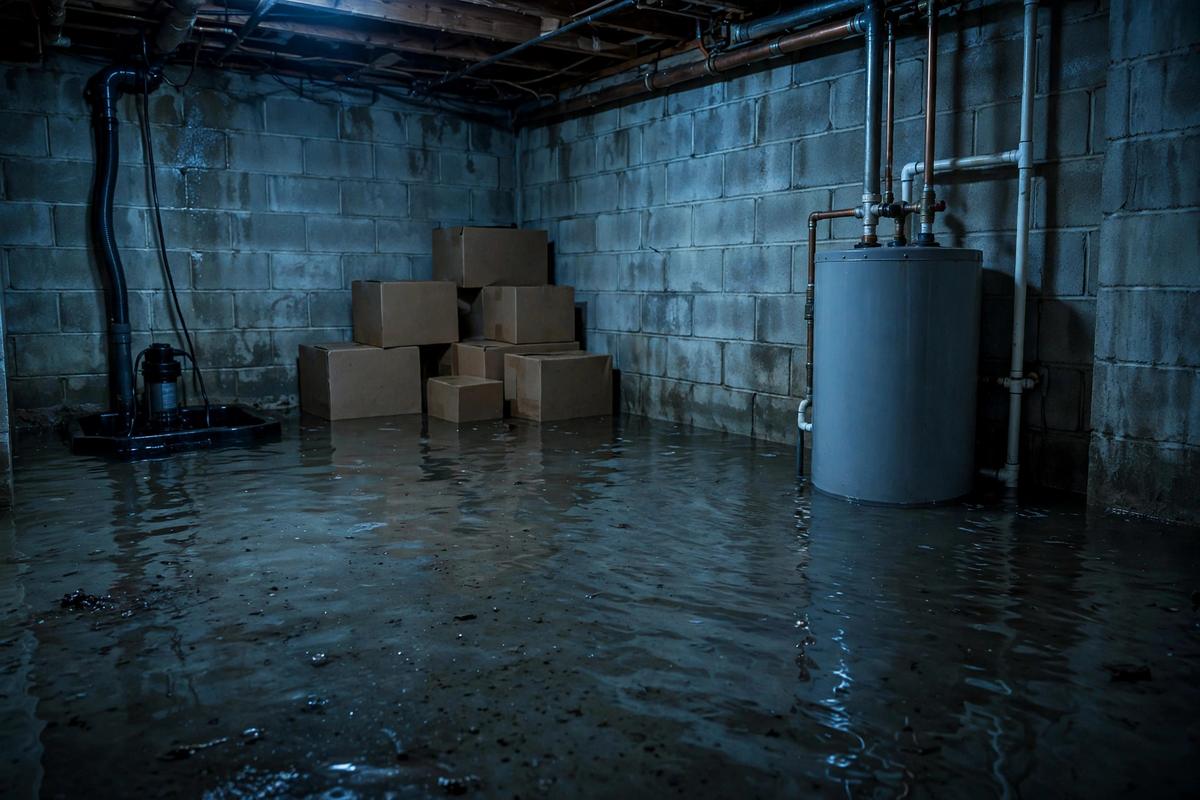
Structural Drying Services removes the hidden moisture trapped in walls, floors, and framing that fans alone can't reach. We connect you with local providers in the Washington DC area.
Learn More →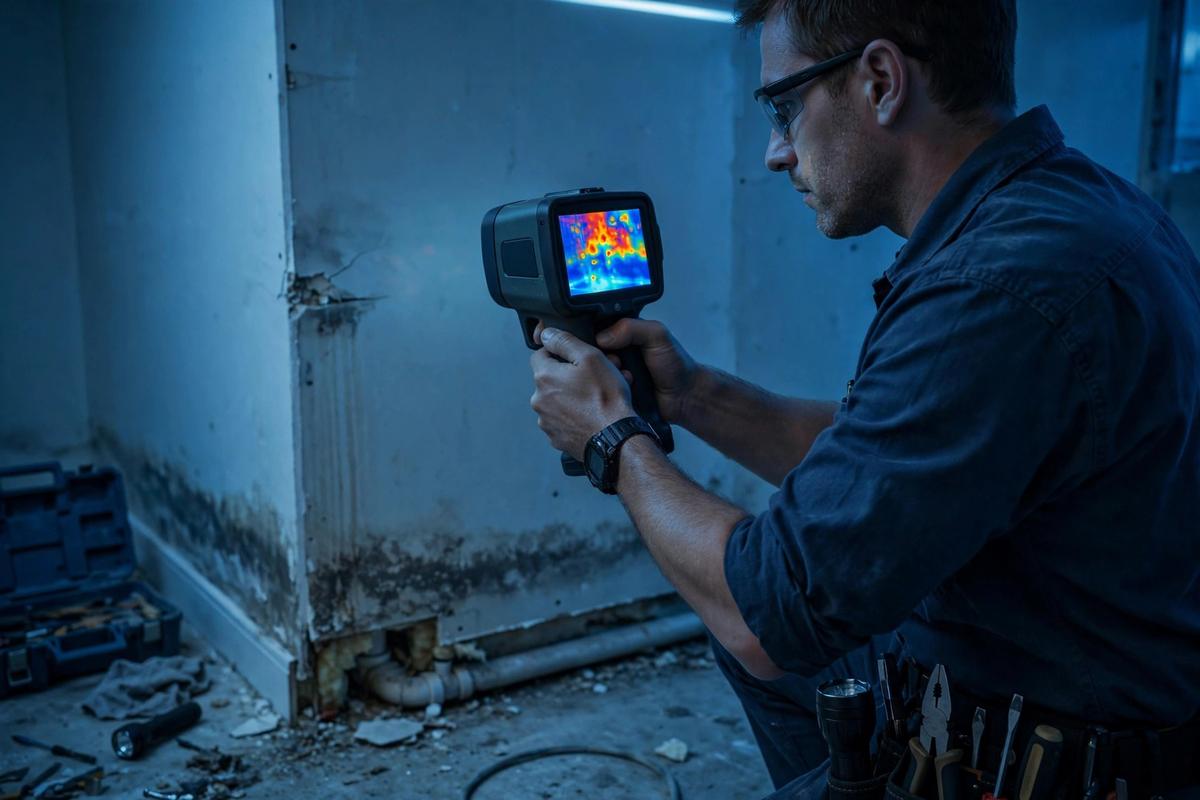
A professional water damage inspection maps hidden moisture with meters and thermal imaging, then produces a written scope of work. Here is what to expect.
Read guide →
The quality of your documentation can decide how smoothly your insurance claim goes. Learn the photo, video, and inventory protocol to follow before the adjuster arrives.
Read guide →
Water damage often hides where you cannot see it. Here is how to recognize the warning signs inside your walls — and how professionals confirm what is really going on.
Read guide → Water Damage DC
Call Water Damage DC now and we'll connect you with a local provider in Washington, DC — no pressure, no obligation. Lines are open 24/7.
 Scan to call now