Why Calling Fast Matters: The Water Damage Timeline Hour by Hour
Water damage is a race against time. See what happens at hour one, 24 hours, 48 hours, and beyond — and why calling for help fast changes everything.
Read guide →The quality of your documentation can decide how smoothly your insurance claim goes. Learn the photo, video, and inventory protocol to follow before the adjuster arrives.

After water damage, most homeowners focus on cleanup — but the photos you take, the lists you make, and the items you keep can matter just as much as the mopping. Insurance adjusters decide claims based on evidence, and thorough documentation is what turns a stressful claim into a smooth one. Whether the damage came from a burst pipe, a roof leak, or a storm, follow this protocol before the adjuster arrives.
The golden rule of claim photography is context first, detail second. Begin with wide shots of each affected room showing the overall scene — where the water is, how far it spread, and which walls, floors, and furnishings are involved. Then move in for close-ups of the specific damage: warped flooring, stained drywall, swollen baseboards, and the apparent source of the water, such as a burst supply line or leaking appliance. Take far more photos than you think you need, from multiple angles, and make sure your phone's date and time stamps are on. If it is safe, photograph the source of the water itself — that single image often answers the adjuster's biggest question.
Video captures what still photos miss: the extent of standing water, the sound of dripping, and the path water traveled. Do a slow walkthrough of every affected area, narrating as you go — state the date, describe what you see, and point out damage the camera might not catch clearly. Open closet doors, pan across ceilings, and film inside cabinets where water may have seeped. A calm, methodical video taken on day one is one of the most persuasive pieces of evidence you can hand an adjuster, because it shows the damage before any cleanup changed the scene.
Write down every damaged item, room by room. For each item, note what it is, its approximate age, its original cost or current value if you know it, and the extent of the damage. Dig up receipts, credit card statements, or order confirmations for big-ticket items — electronics, furniture, appliances — since proof of purchase strengthens your claim. Do not forget less obvious losses: clothing in a flooded closet, books and documents, children's toys, and food spoiled by an outage. A spreadsheet or even a simple notes app works fine; what matters is completeness. Photograph each item alongside its entry on the list so the two records reinforce each other.
This is the mistake that hurts claims most: discarding damaged items before the adjuster has seen them. If the item is gone, the insurer may dispute that it existed or question the extent of the damage. Keep everything — ruined carpet sections, swollen drywall pieces, damaged personal items — until the adjuster has inspected them or your insurer gives you written permission to dispose of them. The one exception is a genuine health hazard, such as sewage-contaminated porous materials; in that case, photograph extensively first, save a sample if you safely can, and note exactly what was discarded and why. When in doubt, keep it and ask your adjuster.
From the first discovery onward, log every step: the date and time you found the damage, when you called your insurer, the names of everyone you spoke with, and what was said. Save all receipts for emergency spending — tarps, fans, dehumidifier rentals, hotel stays if the home is uninhabitable — because many policies reimburse reasonable mitigation and living expenses. Keep copies of every email and letter, and follow up verbal conversations with a brief written summary. This record protects you if there is ever a disagreement about timelines or what was authorized.
Most insurance policies require you to take reasonable steps to prevent the damage from getting worse — and failing to do so can reduce your payout. That means stopping the source of the water if you safely can, moving undamaged belongings out of harm's way, and getting standing water extracted and the area drying as soon as possible. Document these mitigation efforts too, with photos and receipts, since they show you acted responsibly. Professional water extraction and structural drying not only protect your home from mold and structural damage — they also demonstrate to your insurer that you took the loss seriously.
Good documentation and fast professional response go hand in hand. Water Damage DC is a referral service — we connect you with local providers in Washington DC for emergency water extraction, structural drying, and cleanup, so the damage is controlled while your claim moves forward. Call (202) 449-5074 to be connected with a local provider.
Need help right now? Call (202) 449-5074 — open 24/7. Water Damage DC will connect you with a local provider in Washington, DC.
Quick answers related to this guide.
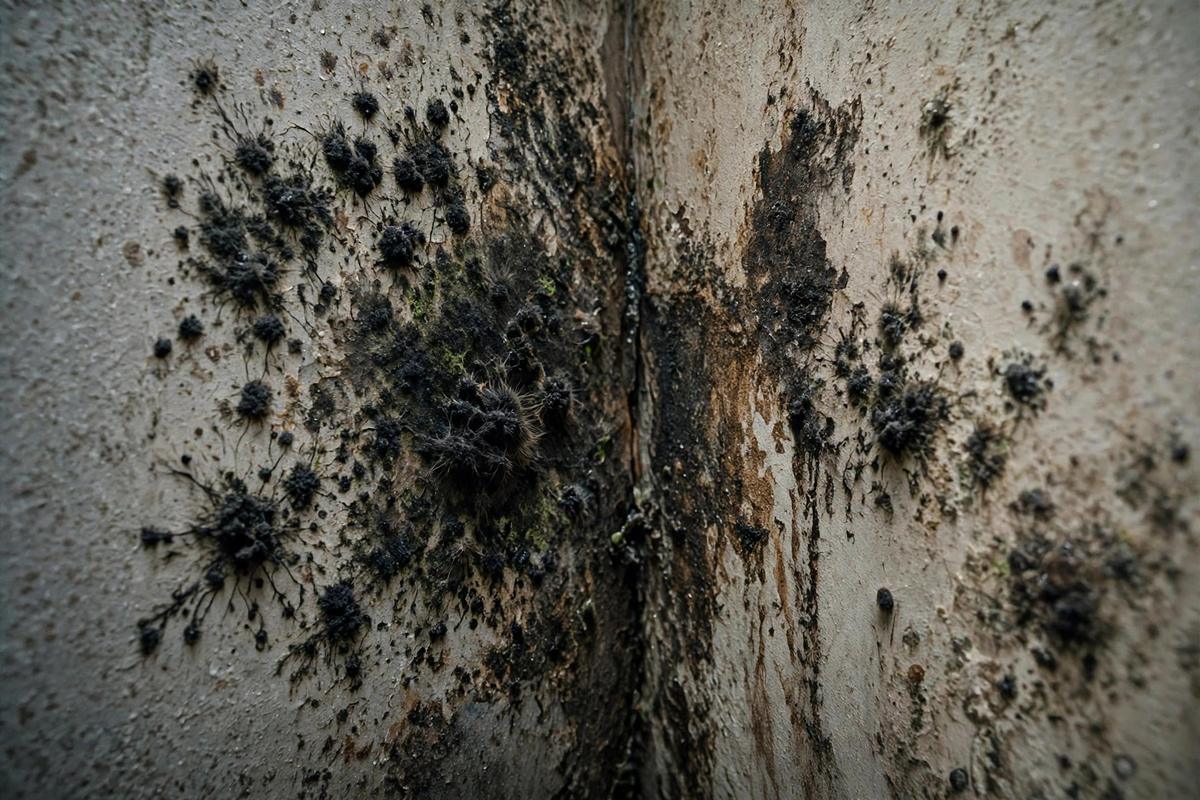
Water Damage Insurance Claim Assistance helps you navigate the claims process with proper documentation and estimates. We connect you with local providers in the Washington DC area.
Learn More →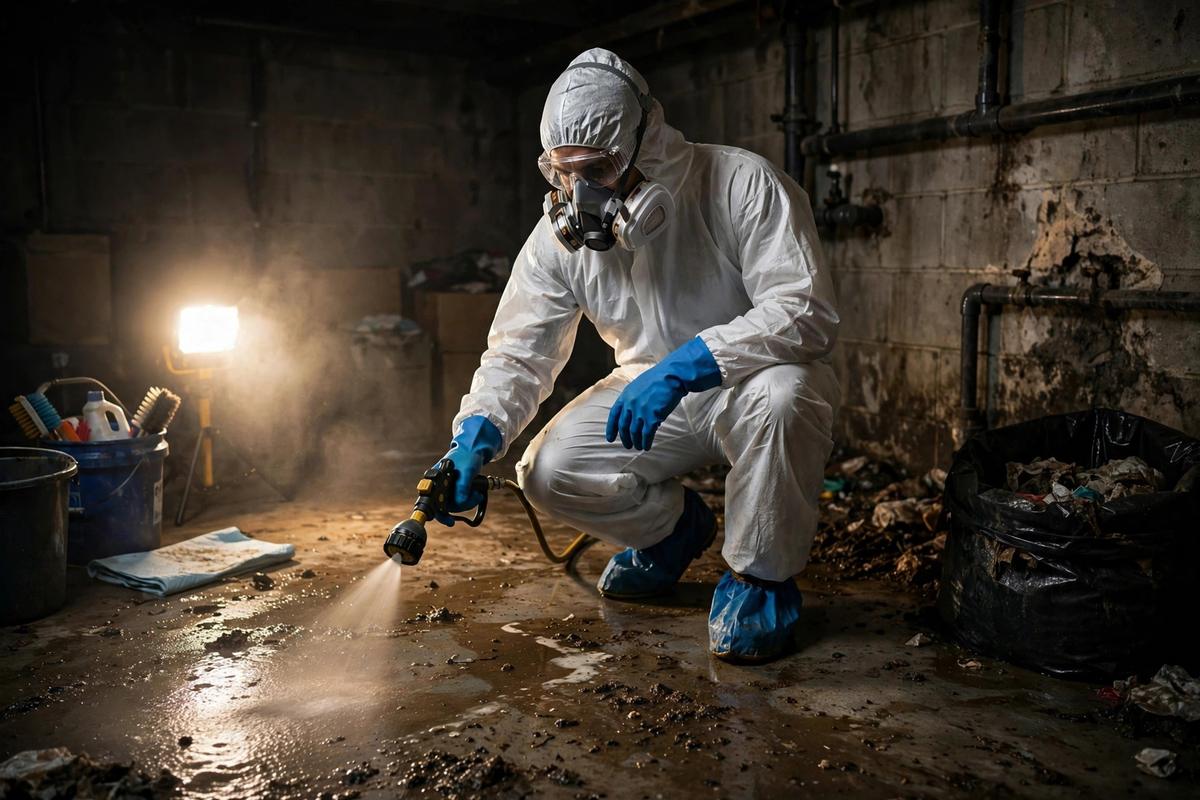
Water Damage Restoration covers the full job — from initial assessment and water removal through drying, cleanup, and repairs. We connect you with local providers in the Washington DC area.
Learn More →
Contents Cleaning and Restoration gives your belongings the same careful attention your building receives. We connect you with local providers in the Washington DC area.
Learn More →
Water damage is a race against time. See what happens at hour one, 24 hours, 48 hours, and beyond — and why calling for help fast changes everything.
Read guide →
Mold can start within 24–48 hours after water damage. Learn the early warning signs, immediate steps to take, and when to call a professional in Washington DC.
Read guide →
Water damage in a DC condo raises one urgent question: who pays? Here's a general overview of unit owner vs HOA responsibilities — not legal advice.
Read guide → Water Damage DC
Call Water Damage DC now and we'll connect you with a local provider in Washington, DC — no pressure, no obligation. Lines are open 24/7.
 Scan to call now