Does Homeowners Insurance Cover Water Damage in Washington DC?
Sudden pipe bursts are usually covered; gradual leaks and floods usually aren't. Here's what Washington DC homeowners need to know about water damage insurance coverage.
Read guide →Mold can start within 24–48 hours after water damage. Learn the early warning signs, immediate steps to take, and when to call a professional in Washington DC.
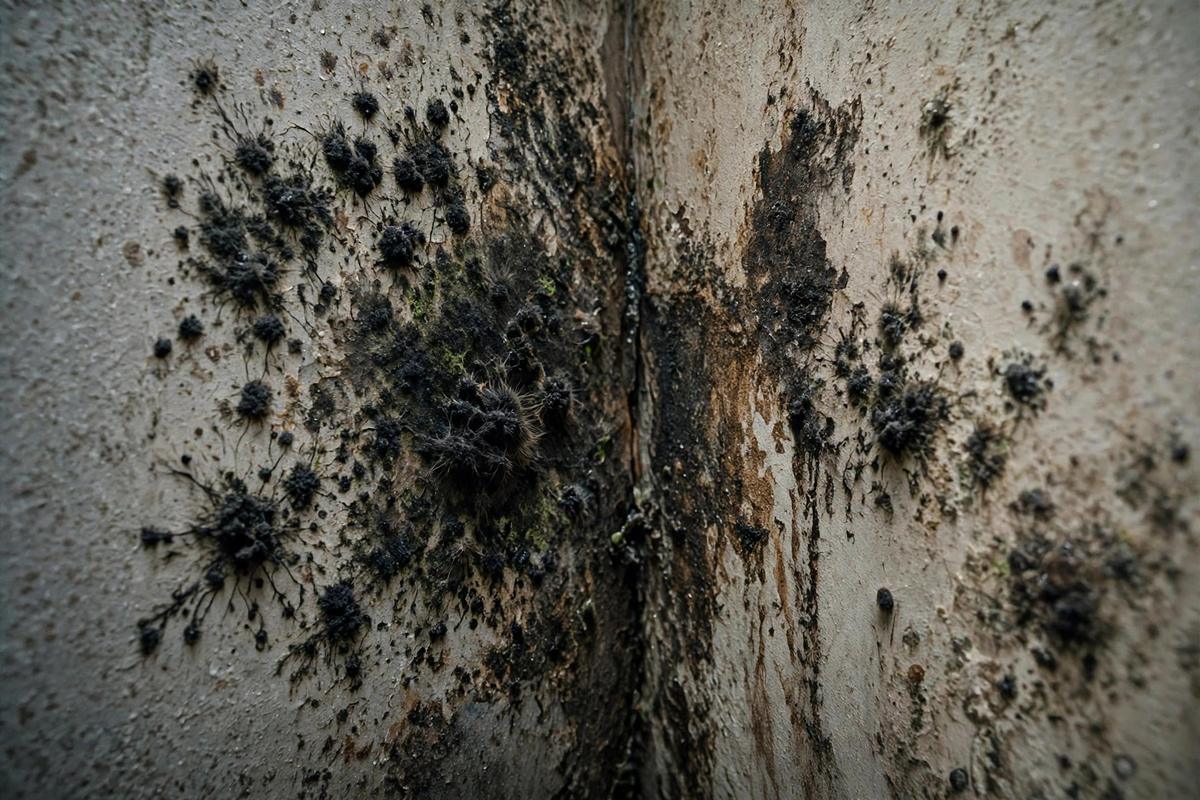
Here is the short answer: mold can start growing on damp materials within 24 to 48 hours of water exposure. That means a leak or flood that happened over the weekend can already be supporting mold growth by the time you notice it on Monday. Mold spores are present in nearly every indoor environment — they only need moisture, organic material (like drywall, wood, or carpet backing), and a little time to begin colonizing.
In the Washington DC area, warm and humid summers make this timeline even more urgent. A basement flood in July can produce visible mold growth faster than the same flood in January, because warmth accelerates the growth cycle. But do not let that fool you — mold can grow in any season as long as materials stay damp.
Visible patches of black, green, or white growth are the most obvious sign, but mold often hides before it becomes visible. Watch for these indicators in the days and weeks after any water event:
Peel back carpet in a flooded area, look under sinks, and check the back of baseboards in rooms that took on water. These are the places mold reaches first.
Speed matters more than perfection in the first 24 to 48 hours. Your goal is simple: get things dry.
Do not delay drying while you wait to figure out insurance or scheduling. The drying clock starts at the moment of the water event, not when someone arrives to help.
If you spot mold, resist the urge to scrub it dry or blast it with a household fan — both can spread spores through the air to clean areas. Professionals use containment: sealing off the affected area with plastic sheeting, using negative air pressure so spores are pulled toward filtered equipment rather than drifting into the rest of the home, and wearing proper respiratory and skin protection. If you must be near a moldy area before help arrives, keep the room door closed, avoid disturbing the growth, and keep your HVAC fan from circulating air from that space into the rest of the home.
Small, surface-level mold on a hard, non-porous surface (like a tile backsplash splashed during a minor spill) is often manageable with household cleaning. But call a local mold remediation professional when any of the following apply:
Note: this article is for general information only and is not medical advice. If you have health concerns related to mold exposure, speak with a qualified medical professional.
Washington DC's older rowhouse stock — with aging plumbing, basements below the water table, and shared walls — is especially vulnerable to hidden moisture. After any water event, verify that materials are actually dry using a moisture meter or by having a professional check with one; drywall that feels dry to the touch can still hold damaging moisture behind it. Keep indoor humidity between 30 and 50 percent with a dehumidifier, fix leaks promptly, and check under sinks and around water heaters seasonally.
Need help now? Call (202) 449-5074 to be connected with a local water damage provider in the Washington DC area. The call is free, and providers are ready to discuss your situation and dispatch a team when you need one.
Need help right now? Call (202) 449-5074 — open 24/7. Water Damage DC will connect you with a local provider in Washington, DC.
Quick answers related to this guide.
Mold Remediation safely removes mold growth and addresses the moisture that allowed it to thrive. We connect you with local providers in the Washington DC area.
Learn More →
Mold spreads fast in damp conditions — mold removal contains it, removes it, and helps prevent its return. Call now and we'll connect you with a nearby provider.
Learn More →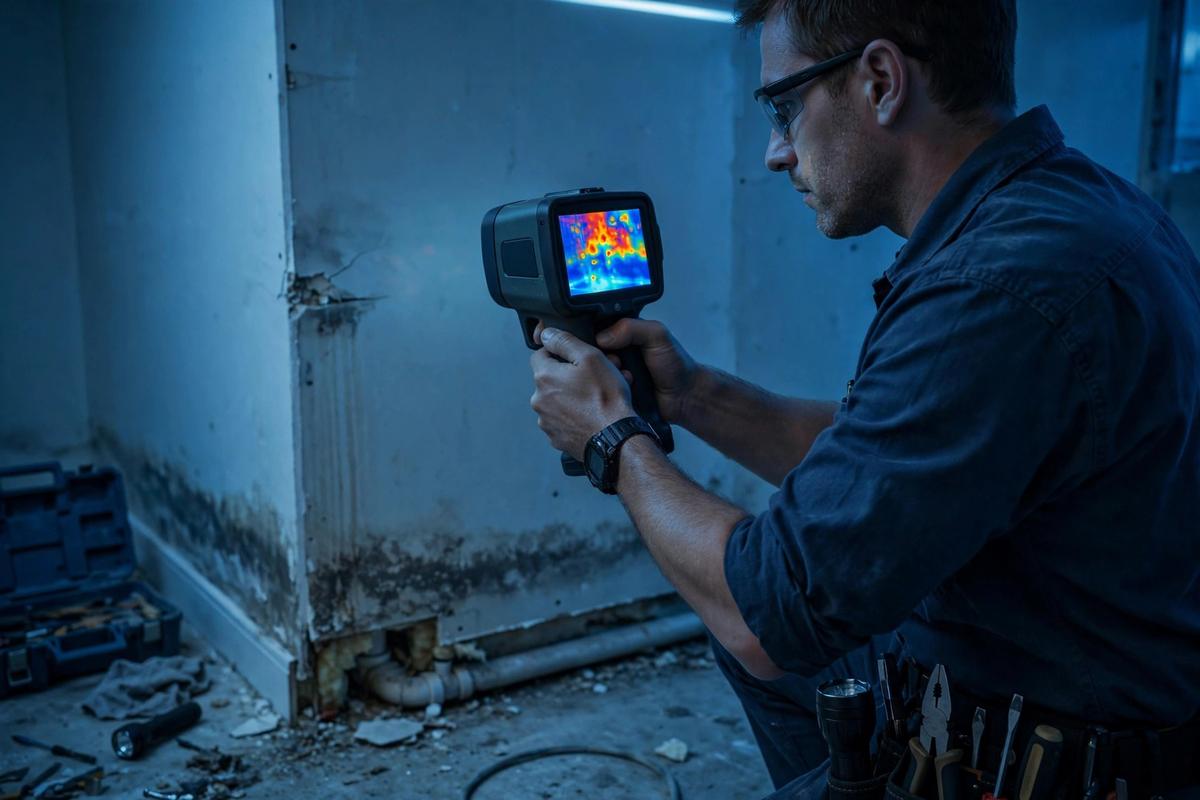
Before remediation, mold inspection identifies the scope of the problem so nothing gets missed. Call now and we'll connect you with a nearby provider.
Learn More →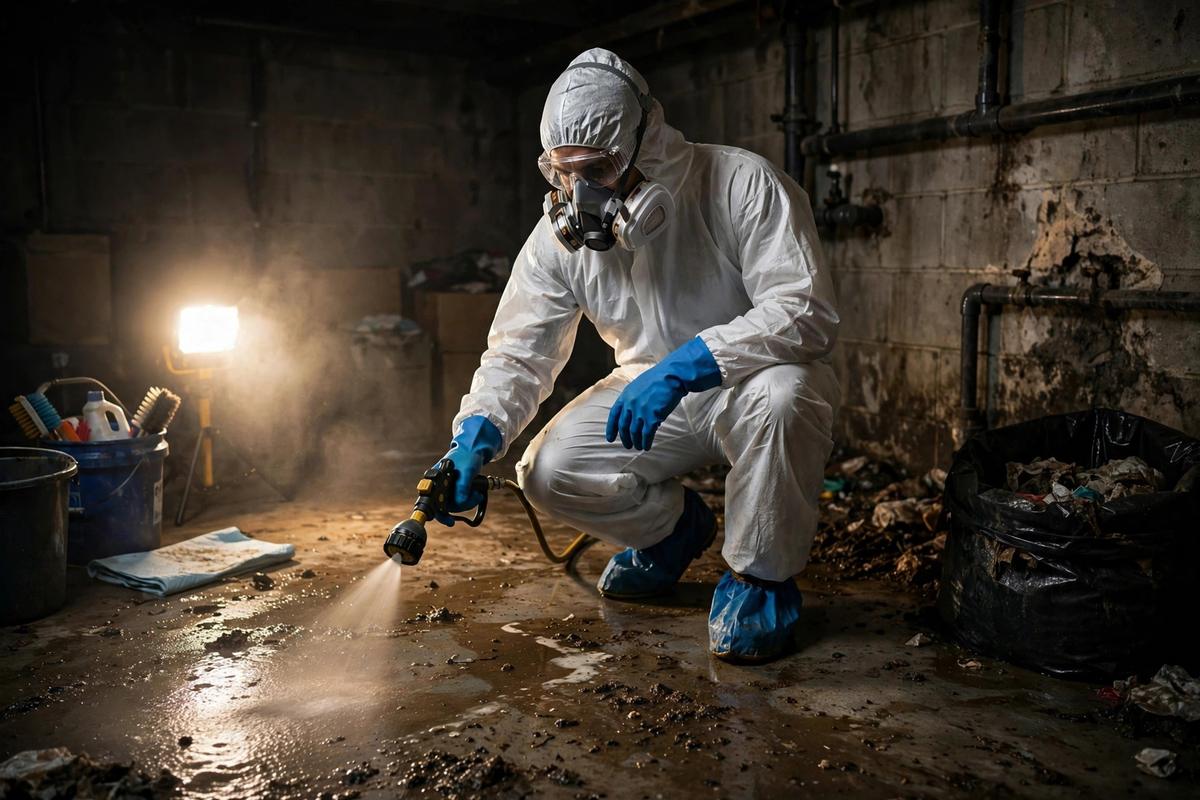
Water Damage Restoration covers the full job — from initial assessment and water removal through drying, cleanup, and repairs. We connect you with local providers in the Washington DC area.
Learn More →
Sudden pipe bursts are usually covered; gradual leaks and floods usually aren't. Here's what Washington DC homeowners need to know about water damage insurance coverage.
Read guide →
Mitigation and restoration are two different phases of recovering from water damage. Here's what each one means — and how they fit together.
Read guide →
A professional water damage inspection maps hidden moisture with meters and thermal imaging, then produces a written scope of work. Here is what to expect.
Read guide → Water Damage DC
Call Water Damage DC now and we'll connect you with a local provider in Washington, DC — no pressure, no obligation. Lines are open 24/7.
 Scan to call now