Mold After Water Damage: How Fast It Grows and What to Do in Washington DC
Mold can start within 24–48 hours after water damage. Learn the early warning signs, immediate steps to take, and when to call a professional in Washington DC.
Read guide →Water damage often hides where you cannot see it. Here is how to recognize the warning signs inside your walls — and how professionals confirm what is really going on.
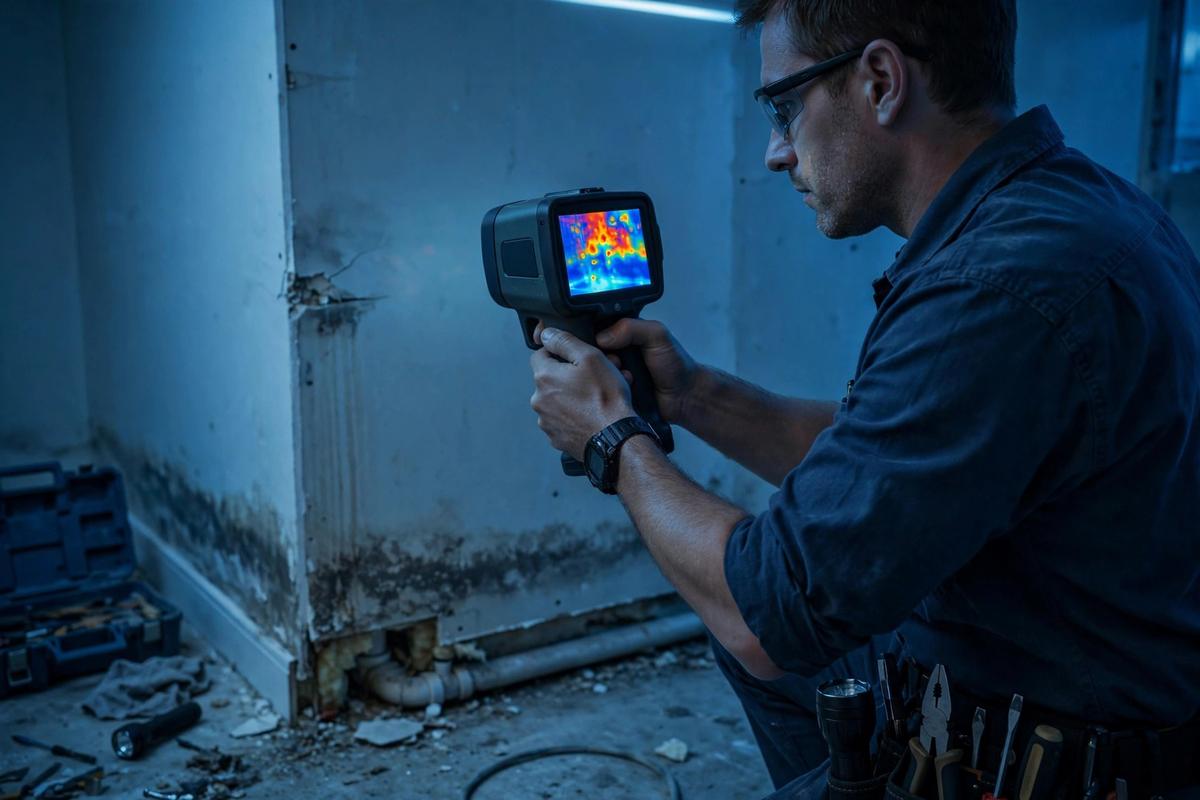
The water damage you can see — a puddle, a stain on the ceiling — is only part of the story. Water travels inside wall cavities, behind baseboards, and under flooring, where it can sit undetected for weeks or months. Hidden moisture feeds mold growth, rots framing, and weakens drywall from the inside out. The direct answer to spotting it: learn the warning signs, and call a professional with the right instruments to confirm what your eyes cannot.
A persistent musty smell in a room — especially one that gets stronger in humid weather or after rain — is one of the most reliable indicators of hidden moisture. The odor comes from microbial growth on damp materials inside the wall cavity. If you notice it near a bathroom, kitchen, laundry area, or exterior wall, there is likely water where it should not be. Do not mask it with air fresheners; track down the source.
Yellowish-brown stains on walls or ceilings are classic signs that water has passed through. Paint that bubbles, blisters, or peels is reacting to moisture pushing from behind — the wall surface may look almost normal while the drywall behind it is saturated. Wallpaper that loosens at the seams tells the same story. These signs often appear well below or beside the actual leak, because water runs along framing and pipes before it shows itself.
Baseboards that warp, pull away from the wall, or show gaps at the joints have usually absorbed moisture from behind or below. Similarly, hardwood floors that cup or buckle near a wall, or tile grout that darkens in one area, point to water intrusion at the wall-floor junction. These physical changes mean the moisture has been present long enough to deform solid materials — a sign the problem is not new.
Press gently on a suspect wall — drywall that feels soft, spongy, or crumbly has lost its structural integrity to moisture. Sagging ceiling drywall under a bathroom or roof leak is especially urgent, because saturated drywall is heavy and can collapse. If you find soft spots, avoid poking through them; disturbing mold-contaminated drywall without containment can spread spores through your home.
Sometimes the clues are indirect. A room that always feels humid despite ventilation, condensation on walls or windows in one area, or a water bill that jumps without explanation can all point to a hidden leak. A slow pipe leak inside a wall may never show a visible puddle — the meter and the bill catch what your eyes miss.
Your observations get a professional to the right wall; their instruments do the rest. Moisture meters with pin probes measure the exact moisture content inside drywall and wood, comparing suspect areas to known-dry areas. Thermal imaging cameras reveal temperature differences caused by evaporation — wet areas show up as cooler patterns behind the surface. In some cases, a small inspection hole or a borescope camera provides a direct look inside the cavity.
This confirmation step matters because it defines the scope of the repair. A stain the size of a dinner plate can hide a soaked wall cavity several feet wide. Without instruments, repairs address the symptom while the moisture — and the mold risk — remain.
Do not ignore it and hope it dries on its own — enclosed wall cavities dry extremely slowly, and mold can begin growing within 24 to 48 hours on damp drywall. Do not cut open walls yourself unless you know what is behind them; you could release mold spores or hit wiring and plumbing. Instead, document what you see — photos of stains, notes about odors and timing — and call a professional for an inspection.
Suspect water hiding inside your walls? Call (202) 449-5074 and we will connect you with a local Washington DC provider who can inspect with moisture meters and thermal imaging, confirm the extent of the problem, and recommend the right fix before it gets worse.
Need help right now? Call (202) 449-5074 — open 24/7. Water Damage DC will connect you with a local provider in Washington, DC.
Quick answers related to this guide.
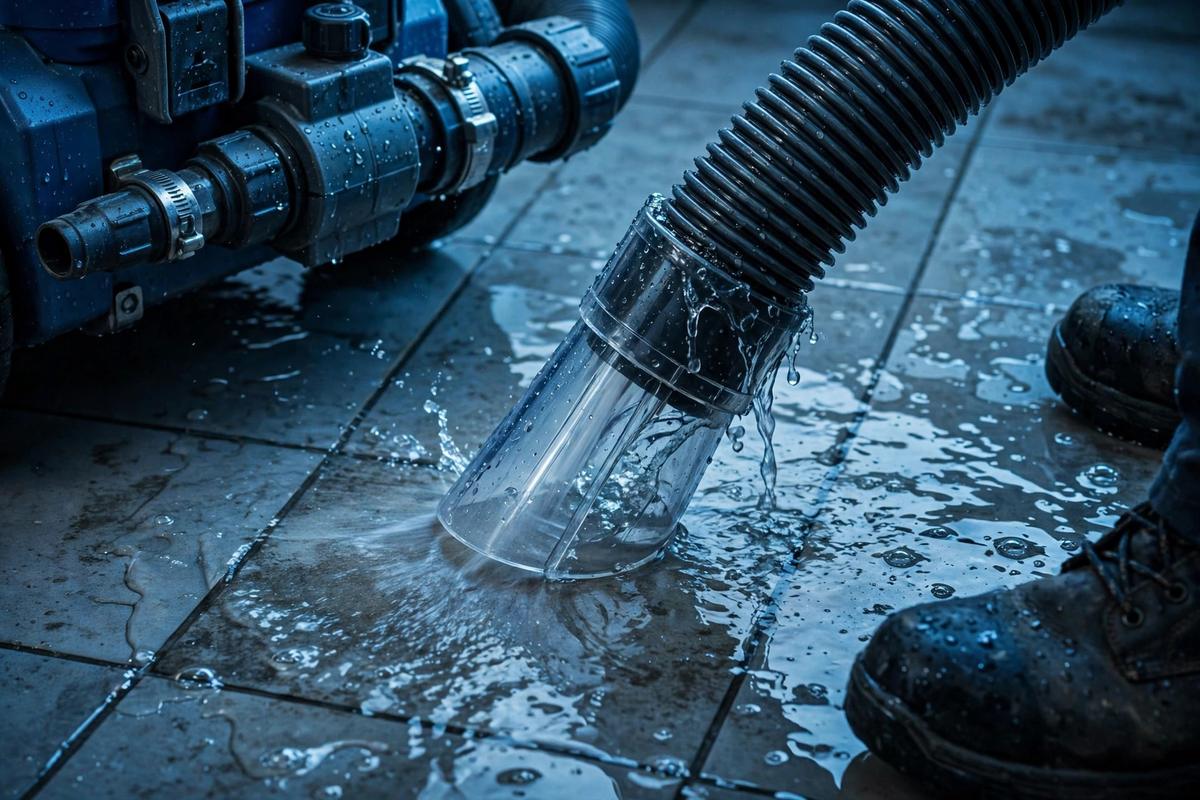
Slab Leak Detection finds hidden leaks without tearing your home apart, using thermal imaging, acoustic sensors, and moisture meters. We connect you with local providers in the Washington DC area.
Learn More →
Before remediation, mold inspection identifies the scope of the problem so nothing gets missed. Call now and we'll connect you with a nearby provider.
Learn More →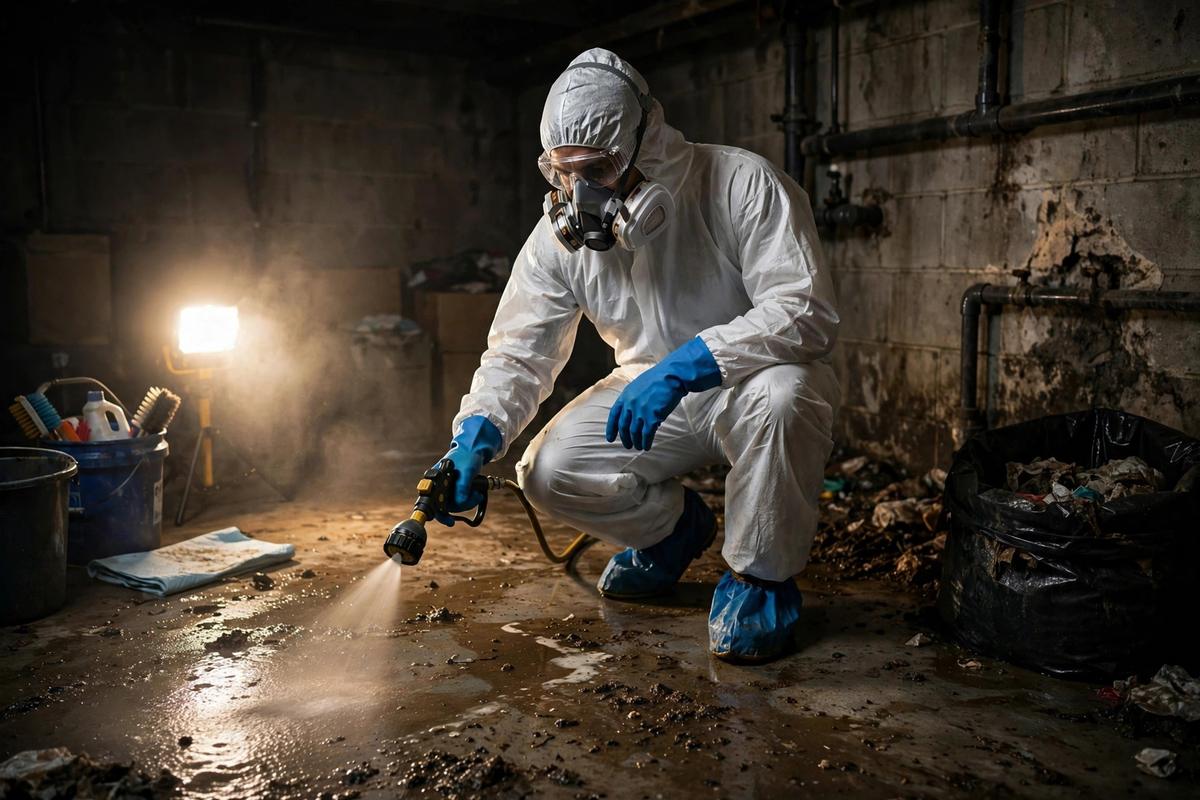
Water Damage Restoration covers the full job — from initial assessment and water removal through drying, cleanup, and repairs. We connect you with local providers in the Washington DC area.
Learn More →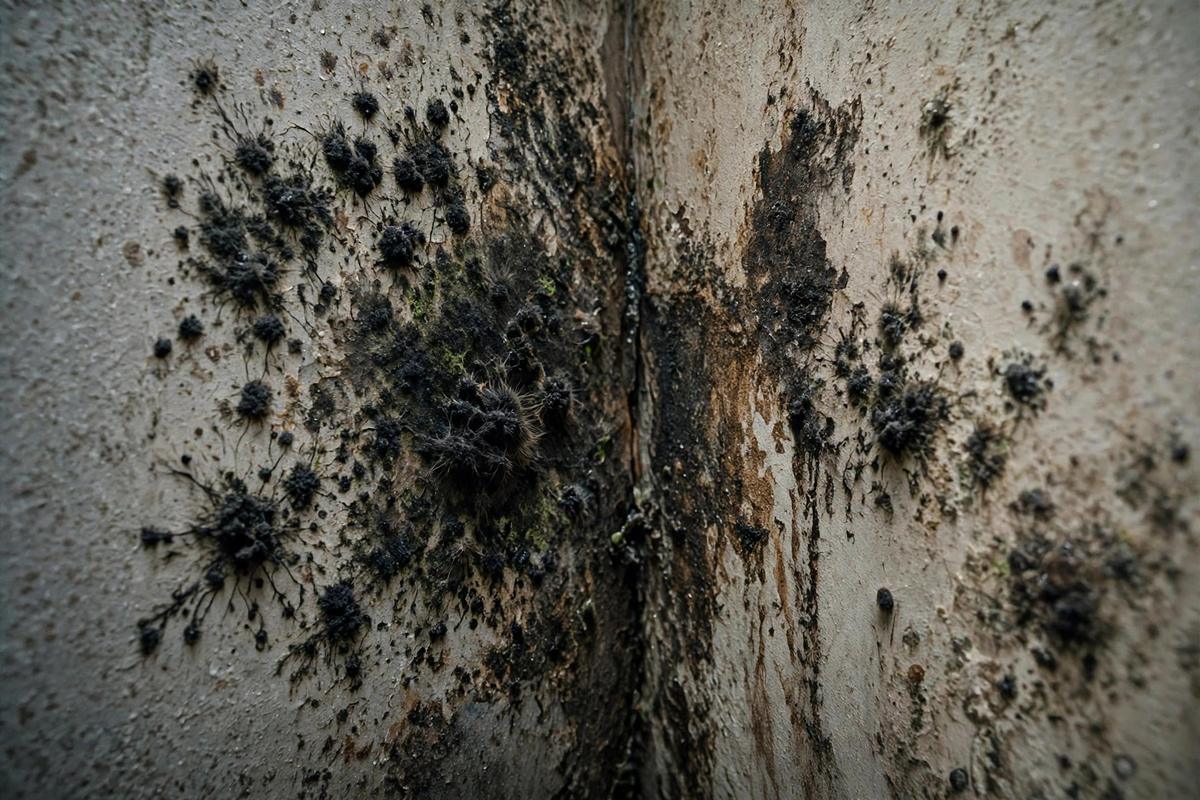
Mold can start within 24–48 hours after water damage. Learn the early warning signs, immediate steps to take, and when to call a professional in Washington DC.
Read guide →
Water damage in a DC condo raises one urgent question: who pays? Here's a general overview of unit owner vs HOA responsibilities — not legal advice.
Read guide →
Ice dams form when heat escapes through the roof, melting snow that refreezes at the eaves. Learn prevention and what to do when meltwater gets inside.
Read guide → Water Damage DC
Call Water Damage DC now and we'll connect you with a local provider in Washington, DC — no pressure, no obligation. Lines are open 24/7.
 Scan to call now