Water-Damaged Drywall: Repair or Replace? | Washington DC
Small clean-water stains can sometimes be patched, but saturated or contaminated drywall must go. Learn the rules for deciding repair versus replacement.
Read guide →After flooding, a household dehumidifier is usually undersized and too slow. Learn the difference between LGR and conventional units and how sizing works.
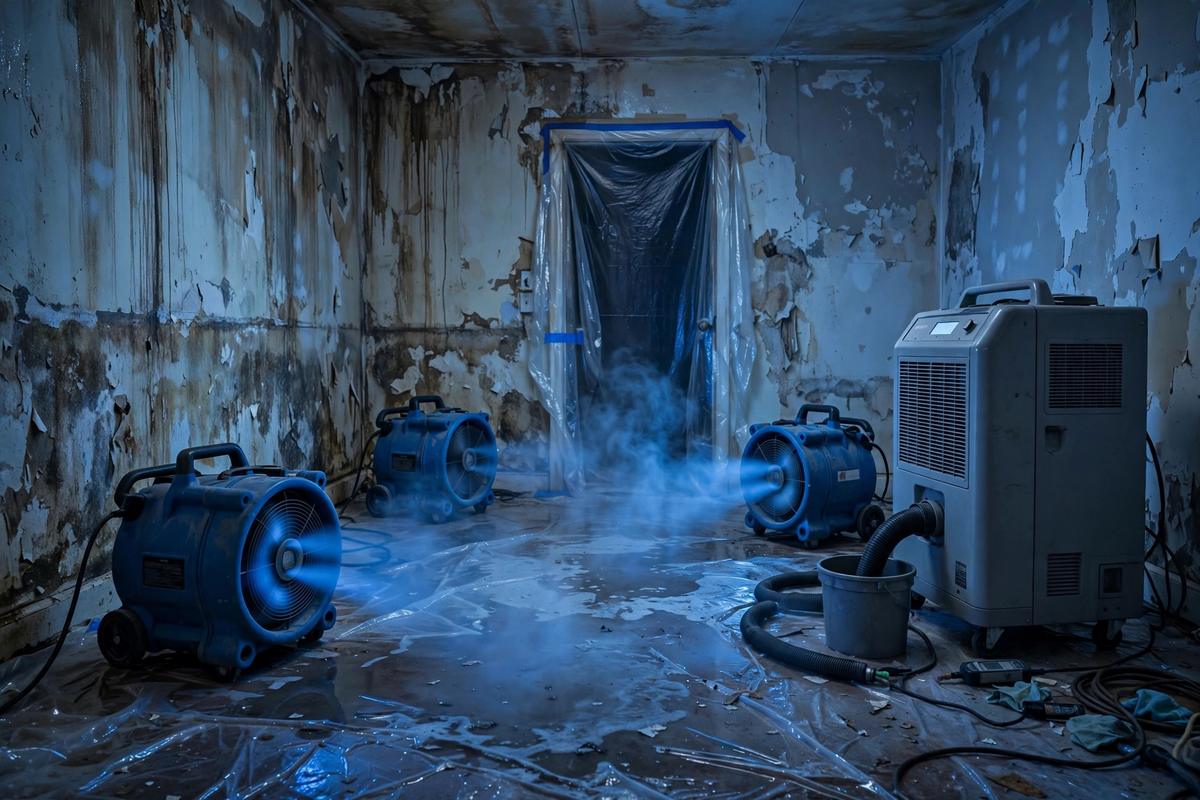
After flooding, you need a commercial-grade dehumidifier, typically a low-grain refrigerant (LGR) unit, sized to the affected area's square footage and moisture load. A standard household dehumidifier removes too little water too slowly to prevent mold and structural damage after a major water loss.
A typical home dehumidifier removes 30 to 50 pints of water per day under ideal conditions. That sounds like a lot until you consider that a flooded room can hold hundreds of gallons of water absorbed into drywall, flooring, subfloors, and framing. Worse, household units lose efficiency dramatically in the cool, damp conditions common after flooding.
The real problem is time. Mold can begin growing within 24 to 48 hours on wet materials. A household unit working alone simply cannot pull moisture out fast enough to beat that clock in a serious water loss. It is fine for a damp basement or post-shower humidity, not for flood recovery.
Conventional units cool air below its dew point so moisture condenses on cold coils, then reheat the air before returning it to the room. They work well in warm, very humid conditions, but their performance drops sharply as temperature and humidity fall, which is exactly the condition of a partially dried structure.
LGR units use a pre-cooling system that chills incoming air before it hits the main coils, allowing them to keep extracting moisture at much lower humidity levels and temperatures. They can drive indoor conditions down to very low grain levels, far drier than conventional units can achieve.
In practical terms, LGR dehumidifiers:
This is why professional water damage providers use LGR units as their standard equipment for structural drying. They are also built to run continuously for days, with features like automatic pump-outs and hour meters that household units lack.
Dehumidifier capacity is rated in pints of water removed per day (PPD). Proper sizing considers:
As a rough illustration, a single flooded room might call for one or more commercial units totaling 100 or more PPD, while a whole flooded basement could need several large LGR units running together. Undersizing is the most common DIY mistake. The space feels drier on the surface while moisture remains trapped in walls and subfloors.
A dehumidifier alone does not dry a structure. Professional drying pairs dehumidification with:
Running a dehumidifier in a sealed, unmonitored space without airflow is like trying to dry a sponge in a plastic bag. Progress is slow and incomplete.
With proper commercial equipment, most residential water losses dry in 3 to 5 days. Larger or more complex losses, such as saturated hardwood, multiple rooms, or wall cavities, can take a week or more. Drying is complete when moisture meter readings in affected materials return to the dry standard for those materials, not when the air merely feels dry.
If you are dealing with flooding or significant water damage, professional-grade drying equipment makes the difference between a properly dried structure and hidden moisture that causes mold months later. Call (202) 449-5074 and we will connect you with a local provider in the Washington DC area who has the right equipment to dry your property thoroughly.
Need help right now? Call (202) 449-5074 — open 24/7. Water Damage DC will connect you with a local provider in Washington, DC.
Quick answers related to this guide.

Dehumidification Services prevents warping, swelling, and mold by bringing moisture levels back to normal throughout the building. Our referral service connects you with qualified local providers.
Learn More →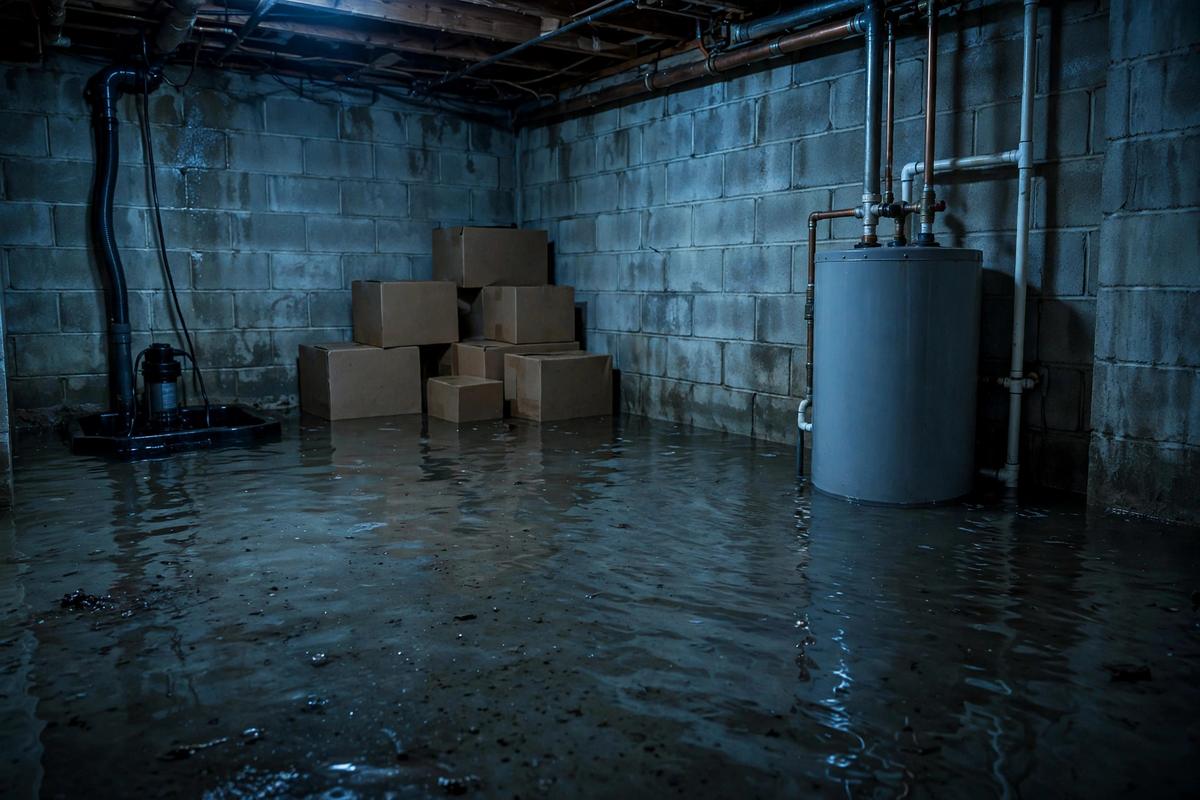
Structural Drying Services removes the hidden moisture trapped in walls, floors, and framing that fans alone can't reach. We connect you with local providers in the Washington DC area.
Learn More →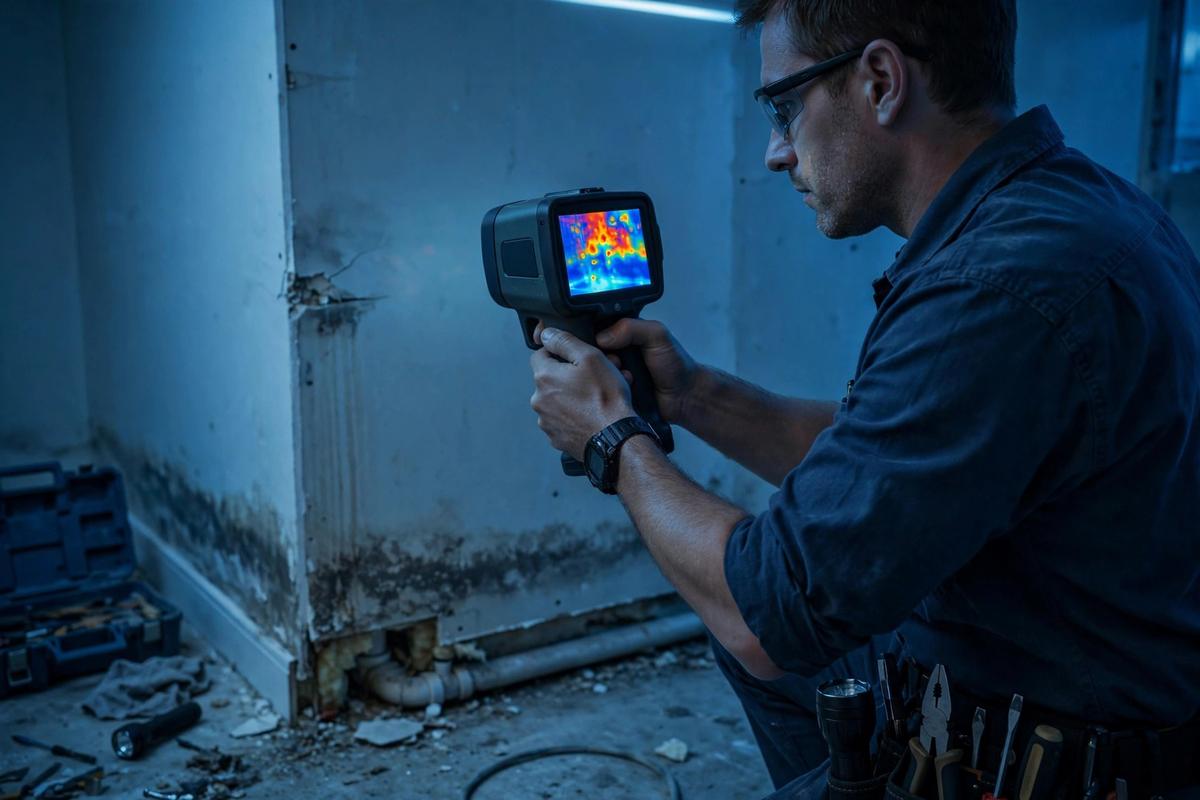
Standing water keeps damaging everything it touches — emergency water extraction removes it fast with high-capacity pumps. We connect you with local providers in the Washington DC area.
Learn More →
Small clean-water stains can sometimes be patched, but saturated or contaminated drywall must go. Learn the rules for deciding repair versus replacement.
Read guide →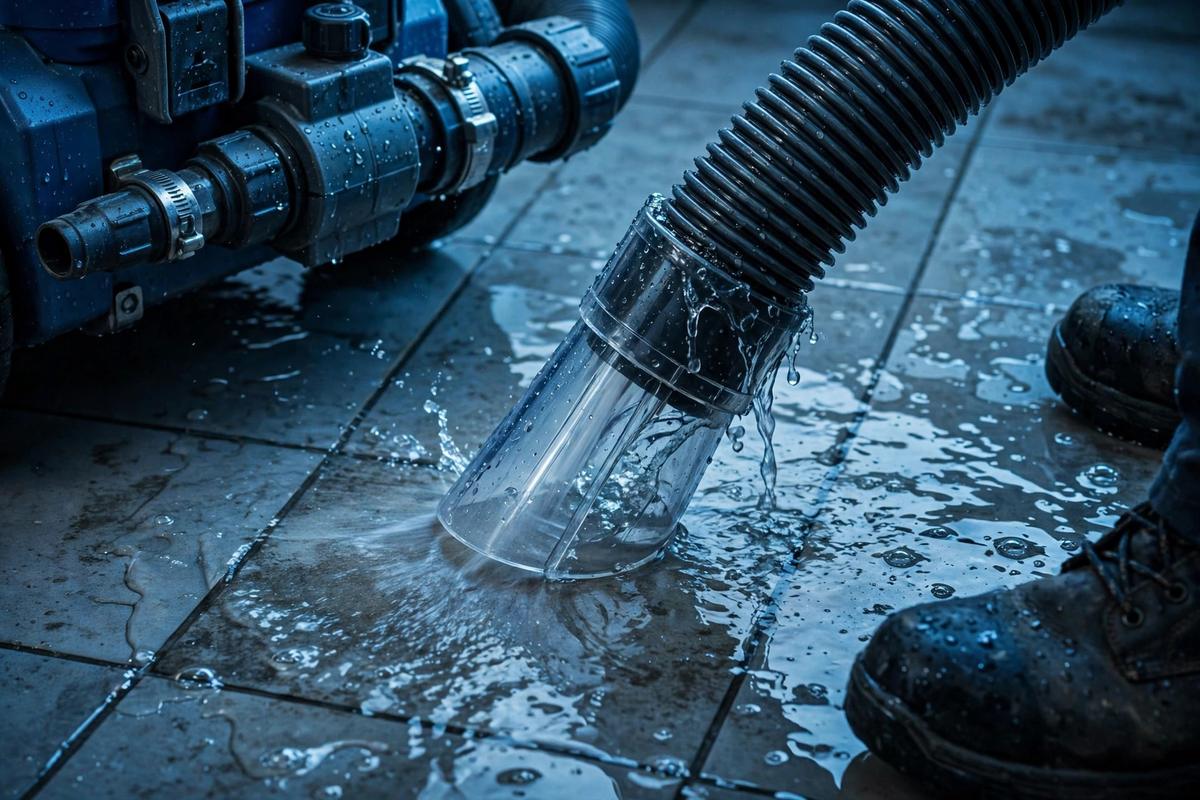
The first hour after discovering water damage matters more than any other. Here is exactly what to do — and what to avoid — before professional help arrives.
Read guide →
Sudden pipe bursts are usually covered; gradual leaks and floods usually aren't. Here's what Washington DC homeowners need to know about water damage insurance coverage.
Read guide → Water Damage DC
Call Water Damage DC now and we'll connect you with a local provider in Washington, DC — no pressure, no obligation. Lines are open 24/7.
 Scan to call now