Water damage guide
Storm Flooding Preparedness Guide for Washington DC Homeowners
DC's intense storms and flash floods put basements and low-lying homes at risk. This guide covers gutters, grading, sump pump readiness, and emergency planning before the next storm.
Washington, DC·Water Damage DC
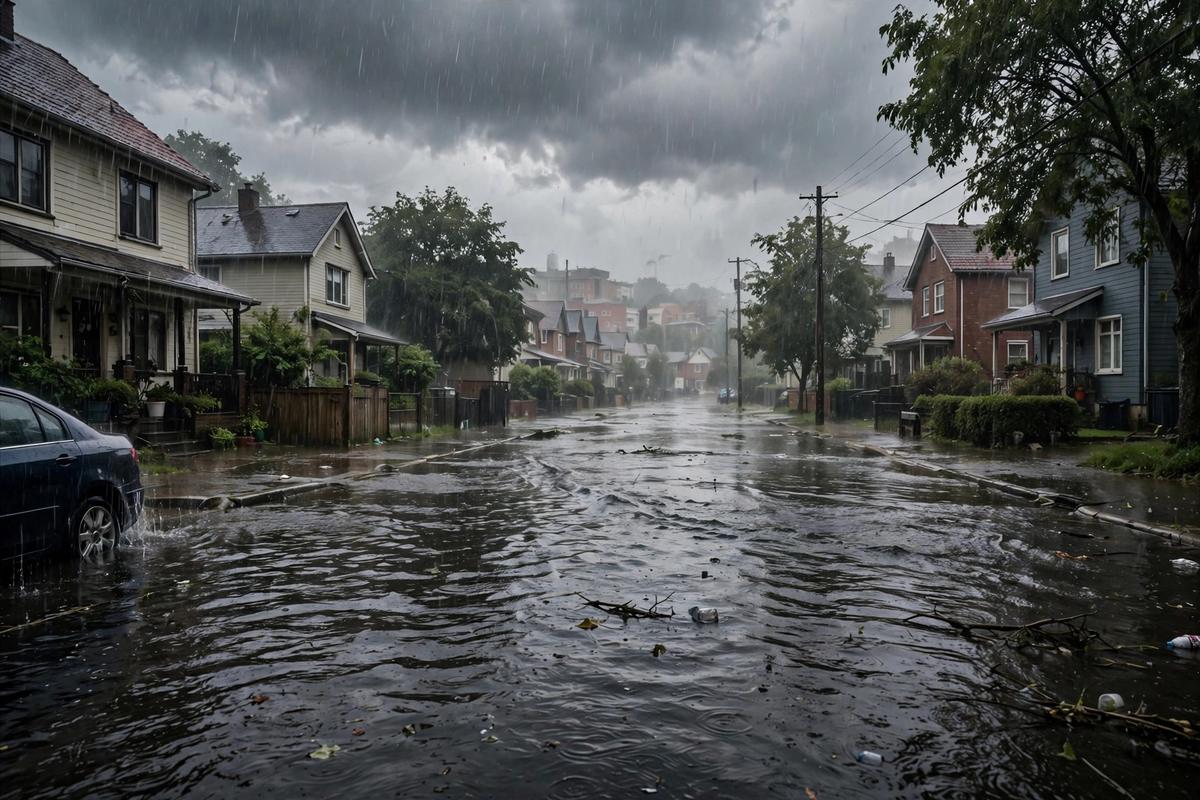
Washington DC sees its share of intense summer thunderstorms, tropical-system remnants, and sudden downpours that can overwhelm drains in minutes. Flash flooding is a real risk here, especially for basement-level living spaces, low-lying streets, and neighborhoods near waterways. The good news is that a prepared homeowner can sharply reduce the odds of serious damage. This guide walks through the practical steps — gutters, grading, sump pumps, valuables, emergency kits, and shutoffs — that protect a DC home before the next storm arrives.
Understand DC's storm and flash-flood risk
Yes, the risk is real and recurring. DC's heaviest rain often comes in short, violent bursts that dump inches of water faster than storm drains and older combined sewer systems can carry it away. Basements and garden-level units are the most vulnerable, and even homes on higher ground can take on water through window wells, foundation cracks, or backed-up drains. Check whether your property sits in a mapped flood zone using FEMA flood maps, but remember that flash flooding regularly affects areas outside mapped zones too. Knowing your risk level helps you decide how far to go with the preparations below.
Keep gutters, downspouts, and grading working for you
Your first line of defense is simply moving roof water away from the foundation. Clean gutters and downspouts at least twice a year — spring and late fall — and after any major storm that drops branches and debris. Make sure downspouts discharge at least several feet from the house, using extensions if needed, rather than dumping water right at the foundation. Then look at grading: the soil around your home should slope away from the foundation so surface water runs off instead of pooling against basement walls. Low spots, settled soil, and mulch beds piled against the house all invite water in. These are inexpensive fixes that prevent some of the most common basement water problems in DC rowhouses and detached homes alike.
Make sure your sump pump is ready before storm season
If your home has a sump pump, it is the hardest-working piece of flood protection you own — and it only helps if it works when the storm hits. Test it a few times a year by pouring water into the pit and confirming the pump activates and discharges properly. Clear debris from the pit, check that the discharge line is unobstructed and directs water away from the house, and listen for unusual noises that signal wear. Because DC storms often knock out power, a battery backup or a secondary pump is one of the smartest upgrades a homeowner can make; many basement floods happen during outages, not pump failures. If your home floods regularly and has no sump pump, talk to a local waterproofing professional about whether one makes sense.
Protect valuables, documents, and finished spaces
Move irreplaceable items and valuables out of harm's way before storm season, not during a downpour. Store important documents, photos, and electronics in waterproof containers on upper floors or on high shelving rather than on a basement floor. In finished basements, consider elevating appliances, using area rugs instead of wall-to-wall carpet, and choosing water-resistant materials if you renovate. Keep a simple inventory — even phone photos of each room — so that if flooding does occur, documenting losses for insurance is far easier. A few hours of organizing now can save thousands in ruined belongings later.
Build a simple flood emergency kit
Every DC household should have a basic kit ready before storm season. Include:
- Flashlights and extra batteries, plus a battery-powered or hand-crank radio for weather alerts.
- Drinking water and nonperishable food for at least three days.
- First-aid supplies, prescription medications, and basic toiletries.
- Phone chargers and a portable power bank kept charged.
- Important documents in a waterproof bag — IDs, insurance policies, and medical information.
- Cash in small bills, in case card systems are down.
Store the kit somewhere easy to grab, and make sure everyone in the household knows where it is.
Know your shutoffs before the storm
In a flooding emergency, seconds matter, and hunting for a valve in the dark wastes them. Locate your main water shutoff valve now and make sure it turns freely — label it so anyone in the home can find it. Know where your electrical panel is and understand that you should never enter standing water that may be in contact with electricity; if water is approaching outlets or the panel, call for help rather than wading in. If your home uses natural gas, know where that shutoff is too. Walk every adult and older child in the household through these locations once, so nobody is guessing during an actual emergency.
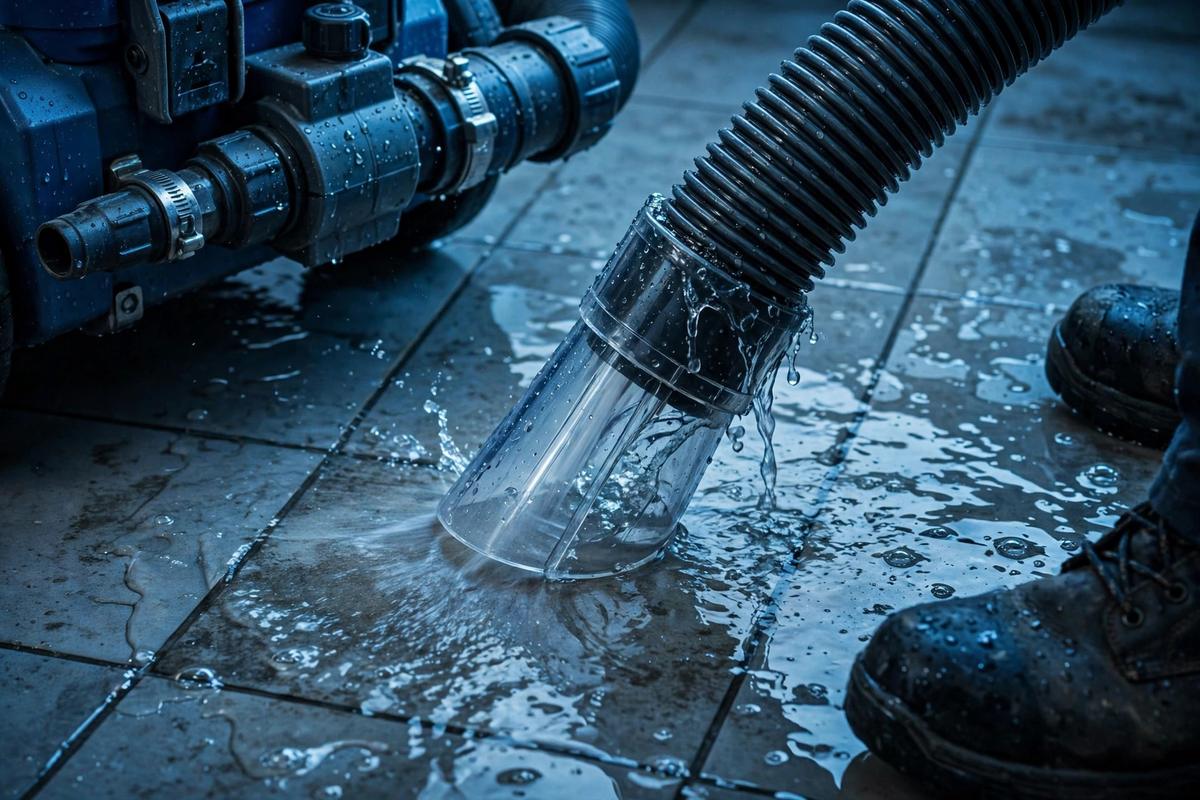
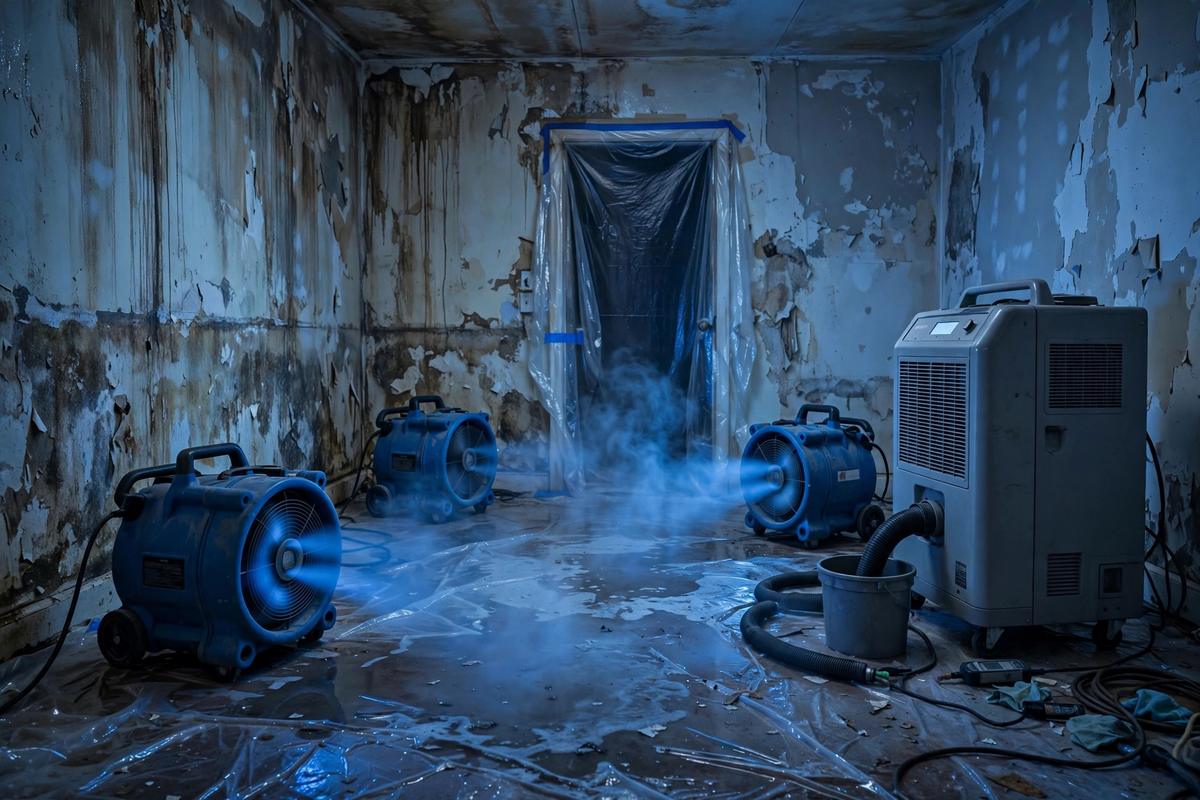
Even the best preparation cannot stop every storm. If flooding does reach your home, fast professional extraction and drying make the difference between a cleanup and a major restoration. Water Damage DC is a referral service — we connect you with local providers in Washington DC who handle flood extraction, structural drying, and damage cleanup. Call (202) 449-5074 to be connected with a local provider.